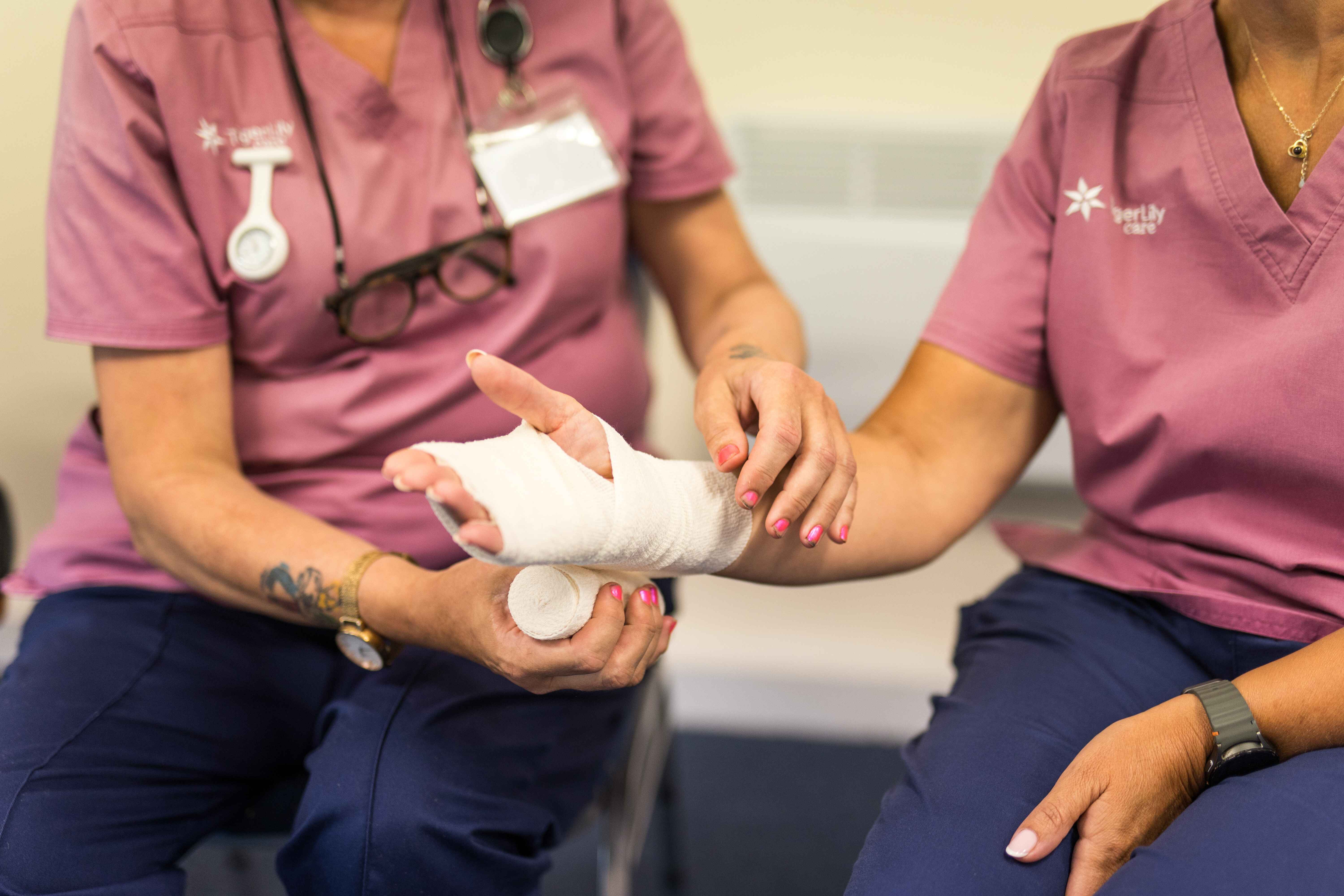
Osteoporosis is often called the “silent disease” because bone loss occurs without obvious symptoms until a fracture happens. For older adults, these fractures can have serious consequences, including reduced mobility, loss of independence, and even long-term disability. As populations age, osteoporosis is becoming a significant public health issue worldwide. Yet the good news is that osteoporosis is not an inevitable part of ageing. With prevention, a proper diet, safe exercise, and attentive daily care, the risks can be significantly reduced.
For carers and family members, understanding osteoporosis and knowing how to support a loved one can make a tremendous difference. This blog examines the causes and risk factors, provides practical prevention strategies, and offers daily care tips for managing osteoporosis at home.
What is Osteoporosis?
Osteoporosis is a condition where bones lose density and become fragile. The word literally means “porous bone.” Instead of strong, dense tissue, bones with osteoporosis have microscopic holes and structural weaknesses. This makes them more prone to fractures, especially in the spine, hip, and wrist.
Bone loss is a natural part of ageing, but when it occurs faster than the body can replace bone tissue, osteoporosis develops. Women are particularly at risk after menopause due to the decline in oestrogen, a hormone that helps protect bone density. Men can also develop osteoporosis, although it typically occurs at a later age.
Risk Factors for Osteoporosis
While ageing is the most common risk factor, many other elements play a role. Understanding these helps families and carers take preventive steps.
Key risk factors include:
- Genetics: A family history of osteoporosis or fractures increases risk.
- Gender: Women are more vulnerable, especially post-menopause.
- Lifestyle: Smoking, high alcohol intake, and lack of exercise contribute to bone loss.
- Diet: A low intake of calcium or vitamin D can reduce bone strength.
- Medical conditions: Rheumatoid arthritis, thyroid disorders, or gastrointestinal diseases can impact bone health.
- Medications: Long-term use of steroids or some cancer treatments can weaken bones.
Recognising these risks early allows families to work with healthcare professionals on tailored prevention and management plans.
Symptoms and Diagnosis
One of the challenges with osteoporosis is that it often goes unnoticed until a fracture occurs. However, some signs that may suggest reduced bone density include:
- Back pain from vertebral fractures
- Loss of height over time
- Stooped posture or “dowager’s hump”
- Sudden fractures after minor falls
Diagnosis is typically confirmed using a bone density scan (DEXA scan). This quick, painless test measures bone mineral density and compares it to healthy reference values.
Regular screening is especially important for post-menopausal women and adults over 70, or earlier if other risk factors are present.
Prevention Strategies
Prevention is better than reactive treatment when it comes to osteoporosis. While not all cases can be avoided, healthy lifestyle habits from middle age onwards can significantly reduce risks.
Key prevention tips include:
- Calcium-rich diet: Dairy, leafy greens, fortified plant milks, and almonds.
- Vitamin D intake: Safe sun exposure and supplements if recommended.
- Regular weight-bearing exercise: Walking, dancing, or stair climbing helps strengthen bones.
- Muscle-strengthening activities: Light weights, resistance bands, or bodyweight exercises.
- Quit smoking andreduce alcohol: Both accelerate bone loss.
Families should encourage regular check-ups and bone health discussions with healthcare professionals, especially as loved ones age.
The Role of Diet in Bone Health
Nutrition plays a critical role in preventing and managing osteoporosis. A bone-healthy diet provides the building blocks needed for strength and resilience.
Essential nutrients for bone health
Several key nutrients work together to maintain healthy bones. These nutrients, and the foods they are found in, include:
- Calcium: Found in milk, cheese, yoghurt, leafy greens, almonds, and tofu.
- Vitamin D:Necessary for calcium absorption. Sourced from sunlight, oily fish, fortified foods, and supplements.
- Protein: Important for maintaining muscle mass and supporting bone repair. Include lean meats, fish, beans, lentils, and dairy.
- Magnesium and zinc: Present in nuts, seeds, and whole grains; these support bone mineralisation (increasing density and strength).
- Vitamin K:Found in leafy greens like spinach and kale, it is essential for bone metabolism (the healthy removal of old bone and creation of new bone).
Meal planning tips
With so many nutrients to be aware of, it can be helpful to keep these simple meal planning tips in mind:
- Include at least one calcium-rich food in every meal.
- Pair vitamin D sources with calcium for optimal absorption.
- Use smoothies or soups to combine multiple bone-healthy ingredients.
- Encourage hydration, as dehydration can affect joint and bone function.
- Identify 2 or 3 foods that are rich in each nutrient that you enjoy. Try to include these in your weekly meal plans on a regular basis.
Safe Exercise for Stronger Bones
Exercise strengthens bones and muscles, improves balance, and reduces the risk of falls. However, with osteoporosis, not all exercises are safe.
Recommended exercises:
- Weight-bearing activities: Walking, light jogging, or dancing.
- Strength training: Using light weights or resistance bands.
- Balance exercises: Tai chi or simple standing balance routines.
- Flexibility stretches: Gentle yoga or stretching to maintain mobility.
Exercises to avoid:
- High-impact activities like jumping or running (in advanced cases).
- Twisting movements or heavy lifting that strain the spine.
Carers should encourage consistency rather than intensity. Short, regular sessions are often more beneficial than occasional vigorous exercise.
Daily Care at Home
Living with osteoporosis requires adaptations at home to reduce fracture risks and support independence.
Practical daily care tips:
- Fall-proof the home: Remove clutter, secure rugs, and ensure good lighting.
- Assistive devices: Use walking aids, grab rails, and non-slip mats.
- Encourage proper posture: Supportive chairs and cushions can reduce back strain.
- Footwear: Sturdy, well-fitting shoes with non-slip soles.
- Medication management: Many people with osteoporosis are prescribed medications called bisphosphonates. These must be taken as directed to avoid severe gastricirritation. Many older adults will need support to take these medicationsproperly.
Carers should also monitor for signs of pain or changesin mobility, which could indicate undiagnosed fractures. Families shouldconsider accessing support from a professional home care service if their lovedone requires intensive support with their mobility.
Emotional and Social Well-being
A diagnosis of osteoporosis can significantly change aperson’s usual daily routine. Fear of falling may cause older adults towithdraw from activities they once enjoyed, leading to loneliness ordepression.
Ways carers can support emotional health:
- Encourage safe social activities, such as group exercise or coffee mornings.
- Offer reassurance and companionship to reduce anxietyabout falls.
- Promote independence wherever possible to boostconfidence.
- Seek professional mental health support if low moodpersists.
Supporting emotional well-being is just as crucial as managing physical symptoms in people with osteoporosis. Always remember to ‘care for the carer’ too. Make time for your own mental health and well-beingneeds.
Working with Healthcare Professionals
Osteoporosis care works best with a team approach.Regular communication with healthcare professionals ensures that treatmentremains safe and effective.
The healthcare team may include:
- GP: Overseescontinuity of care and prescriptions.
- Specialist(rheumatologist or endocrinologist): Provides expert advice on bone health,arranging specialist tests as needed.
- Physiotherapist:Designs safe exercise plans and monitors their implementation.
- Dietitian:Advises on nutrition and responds to diet challenges.
- Occupationaltherapist: Suggests home adaptations and arranges additional mobilitysupport.
- Professionalcarers: Providing day-to-day expert assistance.
You can help by encouraging seniors to attend regularappointments and take part in shared decision-making about their care.
Helpful Resources
Carers and families don’t need to manage osteoporosisalone. Many organisations and support services offer reliable advice andsupport to people with osteoporosis and their loved ones.
Websites and Organisations:
- Royal Osteoporosis Society (UK): Comprehensive information, helplines,and support groups.
- Bone Health and Osteoporosis Foundation (US):Offers education, resources, and patient stories.
- NHS Osteoporosis Guidance: Provides accessible advice for patients and carers.
Support Services:
- Local fall-prevention programmes run by community centres or hospitals.
- Peer support groups, both online and in person, forsharing experiences.
Practical Tools:
- Calcium and vitamin D intake trackers.
- Exercise apps tailored for seniors.
- Printable home safety checklists to reduce fall risk.
Conclusion
Osteoporosis may be common in older adults, but it doesn't have to mean a loss of independence or reduction in quality of life. By understanding risk factors, focusing on prevention, and building routines that include healthy eating, safe exercise, and fall-proof environments, families can make a significant difference.
For carers, the role is about balance. This includes supporting physical safety while also nurturing confidence and emotional well-being. With the right knowledge, resources, and professional guidance, seniors with osteoporosis can continue to live active, fulfilling lives.
What now? Take time this week to assess your loved one’s diet, activity levels, and home environment. Even a small change, such as adding a calcium-rich snack or removing a trip hazard, can contribute to stronger bones and greater peace of mind.