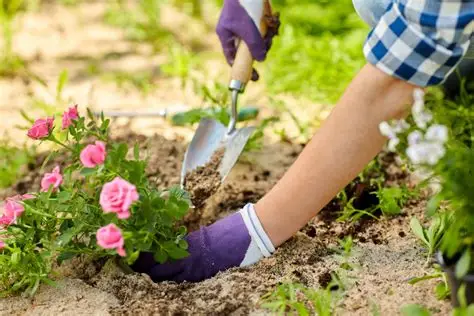
Gardening is an excellent activity for seniors, combining physical exercise with mental stimulation. For seniors, gardening can offer significant health benefits while providing a sense of purpose, creativity, and connection with nature. Engaging in gardening not only improves physical fitness but also supports mental health, encourages social interaction, and enhances overall quality of life. For older adults, particularly those with mobility challenges or health conditions, home carers can provide expert guidance and practical support, making gardening a safe and enjoyable activity.
The Health Benefits of Gardening for Seniors
Gardening offers numerous physical, mental, and emotional health benefits that are especially valuable for older adults.
1. Physical Health Benefits
Gardening is a form of low-impact exercise that promotes mobility, strength, and cardiovascular health. Activities such as digging, planting, watering, and weeding engage various muscle groups, helping seniors maintain muscle tone and joint flexibility. Key physical benefits include:
- Improved cardiovascular fitness: Walking around the garden, lifting pots, and moving equipment provides gentle cardiovascular exercise.
- Enhanced strength and flexibility: Tasks such as pruning, raking, and planting strengthen upper body, core, and leg muscles.
- Better balance and coordination: Reaching, bending, and stretching help maintain stability, reducing the risk of falls.
- Weight management: Regular gardening burns calories and encourages an active lifestyle.
Professional home carers can provide guidance on safe gardening techniques and support physical activity tailored to individual abilities.
2. Mental Health Benefits
Gardening is proven to reduce stress, anxiety, and depression. Spending time in a natural environment promotes relaxation and mindfulness, offering seniors an opportunity to focus on the present moment. Key mental benefits include:
- Stress reduction: Exposure to greenery and sunlight helps regulate mood and reduce cortisol levels.
- Cognitive stimulation: Planning garden layouts, tracking plant growth, and problem-solving encourage mental engagement.
- Sense of accomplishment: Successfully growing plants fosters confidence and self-esteem.
Keeping the mind active not only supports an individual’s mental health, but also reduces the impact of age-related cognitive decline and dementia.
3. Emotional and Social Benefits
Gardening offers emotional rewards and can foster social connections, particularly when undertaken as part of a community gardening project or with family involvement. Benefits include:
- Emotional fulfilment: Nurturing plants provides a sense of purpose and pride.
- Social interaction: Gardening clubs, workshops, or shared community plots encourage connection with peers.
- Improved mood: Interacting with nature and engaging in meaningful activity enhances overall happiness.
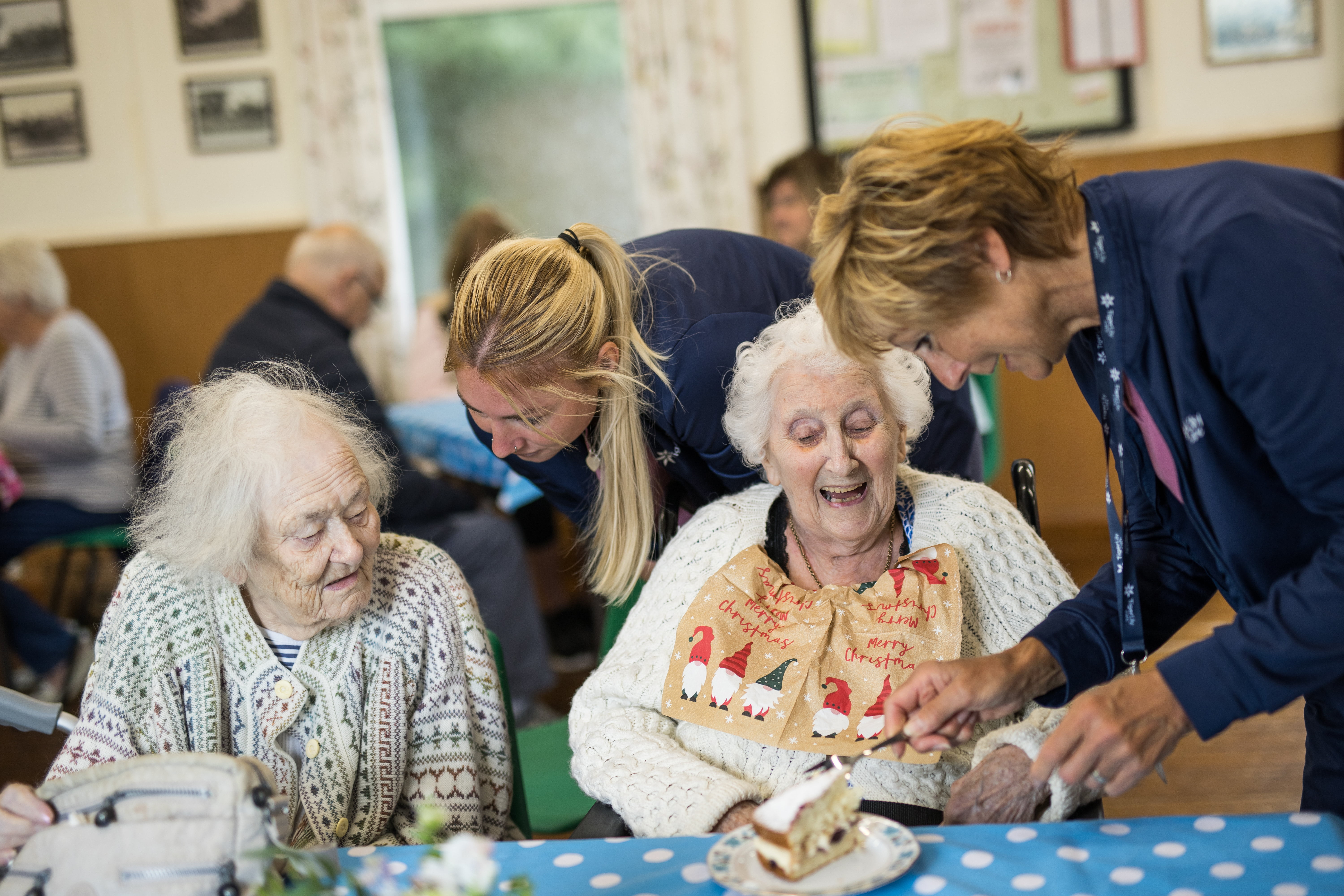
Family members and carers can facilitate participation in social gardening activities, ensuring seniors remain active and connected while receiving the necessary support.
Safety Considerations for Seniors Gardening at Home
While gardening is beneficial, older adults must take safety precautions to prevent injuries or overexertion. Carers can provide guidance and hands-on support to ensure gardening remains safe and enjoyable. Key considerations include:
- Proper posture: Avoid excessive bending and twisting. Use raised beds, long-handled tools, and kneeling pads to reduce strain.
- Hydration: Drink plenty of water, particularly during warm weather.
- Sun protection: Wear hats, sunglasses, and sunscreen to prevent sunburn and heat-related issues.
- Pace yourself: Take breaks frequently and avoid overexertion.
- Tool safety: Use ergonomic tools and ensure sharp instruments are handled carefully.
- Allergy and pest precautions: Wear gloves, use protective clothing, and be aware of potential allergens or insect bites.
Gardening can be easily adapted to an individual’s physical abilities. Even something simple, such as potting indoor plants, can have a positive impact with minimal exertion.
Creating a Gardening Routine for Seniors
Creating a gardening routine may feel daunting for seniors who have never gardened or have physical limitations. A structured, gradual approach maximises the chances of retaining this newfound hobby!
1. Planning the Garden
Failing to prepare is preparing to fail! When starting out, keep these key considerations in mind:
- Assess physical capabilities: Consider mobility, strength, and endurance when designing tasks and garden layouts.
- Choose appropriate plants: Select low-maintenance plants suited to the climate and soil.
- Accessible design: Raised beds, container gardens, and vertical gardening reduce the need to bend or kneel.
- Sun and shade balance: Place plants in areas that match their light requirements and ensure the gardener has comfortable working conditions.
2. Organising Tools and Equipment
Before getting your hands dirty, it’s worth considering if you have the right tools for the job.
- Ergonomic tools: Lightweight, long-handled, and easy-to-grip tools reduce strain.
- Watering equipment: Consider lightweight watering cans or drip irrigation systems.
- Protective gear: Gloves, kneeling pads, and supportive footwear enhance comfort and safety.
- Storage solutions: Keep tools organised and within reach to prevent accidents.
Tools don’t have to be expensive; they just have to be fit for purpose. Consider buying second-hand or exploring community groups that can lend equipment.
3. Establishing a Routine
Have a goal in mind each time you head out to the garden. When creating a sustainable gardening routine, consider the following key points:
- Short, frequent sessions: Begin with short gardening periods and gradually increase duration as stamina improves.
- Task variety: Alternate between planting, watering, pruning, and light weeding to engage different muscle groups.
- Track progress: Keep a gardening journal to note plant growth, observations, and achievements, fostering a sense of accomplishment.
- Adaptability: Be flexible with activities based on energy levels, weather conditions, or health status.
Carers can provide reminders, supervise tasks, and offer encouragement, ensuring seniors maintain a consistent, enjoyable gardening routine.
Gardening Activities Suitable for Seniors
Specific gardening tasks are particularly well-suited to older adults, providing health benefits while minimising strain:
- Container gardening: Planting flowers, herbs, or vegetables in pots or raised planters reduces bending and kneeling.
- Herb gardens: Easy to maintain, provide sensory stimulation, and can be used in cooking.
- Flower beds and borders: Simple planting and watering routines enhance visual appeal without overexertion.
- Vegetable gardens: Growing edibles provides nutrition, encourages healthy eating, and offers satisfaction in harvesting.
- Bird-friendly gardens: Installing feeders or birdbaths encourages wildlife interaction, promoting relaxation and mindfulness.
Incorporating Therapeutic Gardening Practices
Therapeutic gardening, also known as horticultural therapy, uses plants and gardening activities to promote well-being. Seniors can benefit from:
- Mindfulness gardening: Focusing on planting, watering, and observing plants to reduce stress and enhance mental clarity.
- Sensory stimulation: Incorporating fragrant flowers, textured leaves, and colourful plants to engage the senses.
- Goal-oriented projects: Designing small garden areas or container arrangements to provide a sense of purpose and accomplishment.
- Community gardening: Collaborating with neighbours or local gardening groups to enhance social interaction and reduce isolation.
Gardening therapy practitioners often work with individuals in care homes and in the community as part of a holistic therapy and rehabilitation program.
Gardening for Physical Rehabilitation
Gardening can complement rehabilitation and physical therapy for seniors recovering from injury or surgery:
- Improving range of motion: Gentle stretching and reaching for plants can aid flexibility.
- Strengthening muscles: Light digging, watering, or lifting small pots helps build muscle.
- Enhancing coordination: Tasks requiring fine motor skills, such as planting seeds or pruning, improve hand-eye coordination.
- Supporting mobility recovery: Regular movement around the garden encourages walking and balance practice.
Carers can work with physiotherapists to safely and effectively incorporate gardening activities into rehabilitation programmes.
Nutrition and Gardening
Growing fruits, vegetables, and herbs not only provides enjoyment but also supports nutrition and healthy eating habits:
- Fresh produce: Access to homegrown fruits and vegetables encourages the consumption of nutrient-dense foods.
- Dietary variety: Herbs, leafy greens, and seasonal vegetables diversify meals and improve overall diet quality.
- Cooking engagement: Preparing meals with garden produce promotes active participation in food preparation and supports cognitive and physical health.
Carers can assist seniors with harvesting, washing, and incorporating fresh produce into meals, ensuring safety and hygiene while encouraging healthy eating.
Social and Community Benefits
Gardening offers opportunities for social engagement, reducing isolation and enhancing quality of life:
- Gardening clubs: Local groups or community gardens allow seniors to share experiences, tips, and produce.
- Family involvement: Encouraging grandchildren or relatives to participate fosters intergenerational bonding.
- Community projects: Planting flower beds in communal spaces or volunteering in local gardens enhances purpose and connection.
Our expert home carers can facilitate participation in social gardening activities, ensuring seniors remain active, connected, and supported.
Case Example: Safe Gardening at Home
Mr Thompson, aged 82, loves gardening but has experienced increasing joint pain and limited mobility as he has grown older. His carer helped redesign his garden with raised beds, ergonomic tools, and accessible pathways. The carer assisted with watering, pruning, and planting, while encouraging regular short sessions. Mr Thompson experienced improved physical activity, reduced stress, and increased social interaction by sharing his garden produce with neighbours.
Conclusion
Gardening is a highly beneficial activity for seniors, promoting physical health, mental well-being, emotional fulfilment, and social connection. By providing safe, accessible, and enjoyable gardening opportunities, carers enable older adults to reap the rewards of this fulfilling activity while minimising risk and strain. Whether growing herbs, flowers, or vegetables, seniors can experience improved mobility, reduced stress, cognitive stimulation, and a greater sense of purpose and accomplishment. With the proper guidance, tools, and support, gardening can become a sustainable, enjoyable part of daily life for older adults. Home care providers play a vital role in ensuring that gardening remains safe, accessible, and rewarding, helping seniors maintain independence, physical activity, and emotional well-being. By embracing gardening as both a leisure and a therapeutic activity, older adults can experience a higher quality of life and a deeper connection with nature and their communities.