Glaucoma is a serious eye condition that can lead to irreversible vision loss if not detected and managed early. It is particularly prevalent in older adults, and its effects on daily life can be profound. Understanding the condition, recognising the symptoms, and knowing how carers can provide support are essential to maintaining independence, safety, and quality of life in elderly individuals. This blog explores glaucoma in older adults, the risks of vision loss, and practical ways Tiger Lily carers can offer expert assistance.
What Is Glaucoma?
Glaucoma is a group of eye diseases that damage the optic nerve, often due to increased pressure within the eye. It is one of the leading causes of irreversible vision loss worldwide, particularly affecting older adults. There are different types of glaucoma, each with distinct characteristics:
- Open-angle glaucoma: The most common form, which progresses slowly and often without noticeable symptoms until significant vision loss occurs.
- Angle-closure glaucoma: Less common but more rapidly damaging, causing sudden eye pain, headache, nausea, and blurred vision, requiring urgent medical attention.
- Normal-tension glaucoma: Optic nerve damage occurs even with normal eye pressure, highlighting the importance of regular eye check-ups.
Professional eye care and timely interventions are vital in preventing severe vision loss. Expert home care services can provide additional support by helping older adults adhere to treatment plans and manage daily challenges related to reduced vision.
Who’s at risk of developing glaucoma?
Several factors increase the risk of glaucoma and vision loss in the elderly:
- Age: Risk increases significantly after 60.
- Family history: A history of glaucoma in close relatives elevates risk.
- Medical conditions: Diabetes, hypertension, and other vascular issues can contribute.
- Ethnicity: Certain groups, such as individuals of African or Asian descent, may have higher susceptibility.
- Long-term steroid use: Steroid medications can increase the pressure inside the eye.
Understanding these risk factors helps families and carers prioritise eye health and encourage regular ophthalmic assessments.
Symptoms of Glaucoma
Glaucoma is often called the “silent thief of sight” because early symptoms are subtle. Awareness of early warning signs is crucial:
Early symptoms may include:
- Gradual loss of peripheral vision, often unnoticed at first
- Difficulty adapting to low-light conditions
- Blurred vision
- Halos around lights
Sudden symptoms (in angle-closure glaucoma) may include:
- Severe eye pain or headache
- Nausea and vomiting
- Sudden blurred or decreased vision
- Eye redness
Carers play a key role in observing changes in vision or behaviour that may indicate glaucoma, especially since older adults may not report gradual vision loss themselves.
Complications of Untreated Glaucoma
If left untreated, glaucoma can lead to significant complications:
- Permanent vision loss: The optic nerve damage is irreversible, making early detection critical.
- Reduced mobility and independence: Vision impairment can impact the ability to walk safely, manage daily tasks, and maintain social engagement.
- Increased risk of falls and accidents: Impaired vision is a major contributor to falls among older adults.
- Psychological impact: Vision loss can lead to anxiety, depression, or social isolation.
It is essential to remain vigilant and discuss any concerns with your GP as soon as they arise.
Treatment and Management
While glaucoma cannot be cured, its progression can be slowed through early detection and consistent treatment. Common approaches include:
- Medications: Eye drops to reduce intraocular(eye) pressure, often requiring strict adherence to remain effective.
- Laser treatment: Procedures to improve fluid drainage in the eye.
- Surgery: In some cases, surgical intervention may be required to prevent further damage.
Our experienced home carers can assist by reminding clients to use eye drops, monitoring for side effects, and helping schedule and attend ophthalmology appointments.
How Carers Can Support Older Adults with Glaucoma
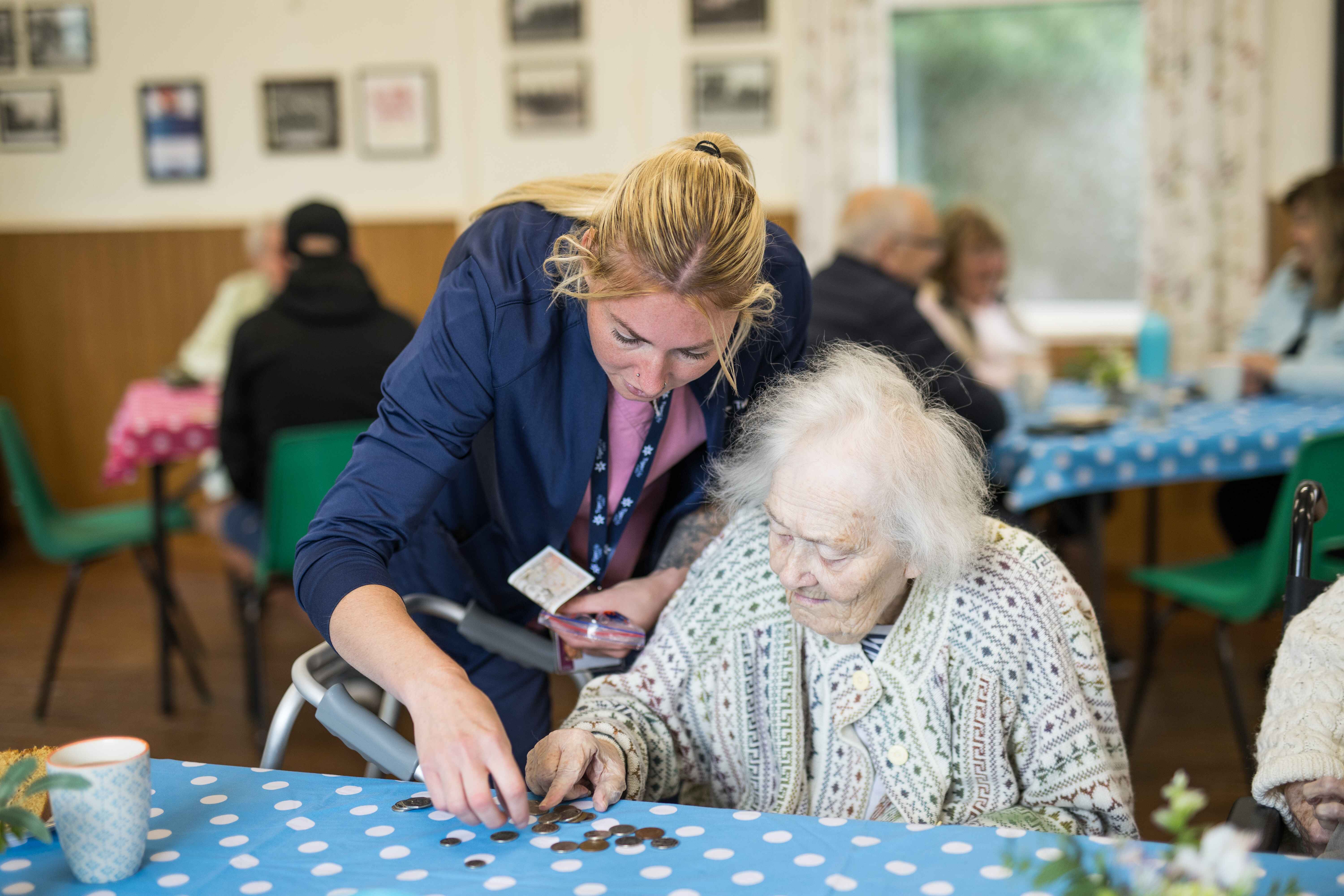
Professional carers play a vital role in supporting older adults with glaucoma, helping them live safely and comfortably at home.
Practical strategies include:
- Medication management: Ensuring eye drops are taken at the correct times and in the correct dosage. Carers can also keep a medication log to track adherence.
- Creating a safe environment: Minimising trip hazards, improving lighting, using contrasting colours to highlight steps or doorways, and marking furniture edges.
- Supporting daily activities: Helping with cooking, reading, personal care, or mobility when vision is impaired, while encouraging independence wherever possible.
- Monitoring vision changes: Noting any deterioration or new symptoms and communicating these to healthcare professionals promptly.
- Providing emotional support: Offering reassurance and helping manage anxiety or frustration related to vision loss.
Promoting Independence
While glaucoma can affect vision, many older adults can continue living independently with the proper support. Home care services can implement strategies such as:
- Adaptive tools: Magnifying glasses, large-print books, talking devices, and high-contrast labels.
- Mobility aids: Walking sticks or guide rails to prevent falls.
- Structured routines: Organising household items consistently to reduce confusion.
Expert home care ensures that these interventions are tailored to individual needs, providing a balance between assistance and autonomy.
Lifestyle Considerations for Eye Health
Certain lifestyle practices can support eye health and reduce the risk of vision deterioration:
- Maintaining a balanced diet rich in leafy greens, fruits, and omega-3 fatty acids
- Regular exercise to promote blood flow and overall health
- Avoiding smoking, which can worsen vascular (blood vessel) health and optic nerve damage
- Managing blood pressure and blood sugar levels to reduce ocular stress
Carers can support these lifestyle adjustments by preparing nutritious meals, encouraging physical activity, and assisting with health monitoring routines.
The Importance of Regular Eye Check-Ups
Routine eye examinations are critical for early detection and management of glaucoma. Older adults should have regular ophthalmic assessments, with frequency determined by risk factors and prior eye health history. Home care providers can help coordinate appointments, accompany clients to clinics, and ensure follow-up care is maintained.
Technology and Assistive Devices
Modern technology offers tools to support older adults with vision impairment due to glaucoma:
- Screen readers and voice-activated devices for communication and entertainment
- Digital magnifiers for reading and household tasks
- Apps for navigation and orientation to enhance mobility and independence
- Smart home technology for lighting control and reminders
Emotional and Social Support
Vision loss can be isolating and emotionally challenging. Home carers can provide:
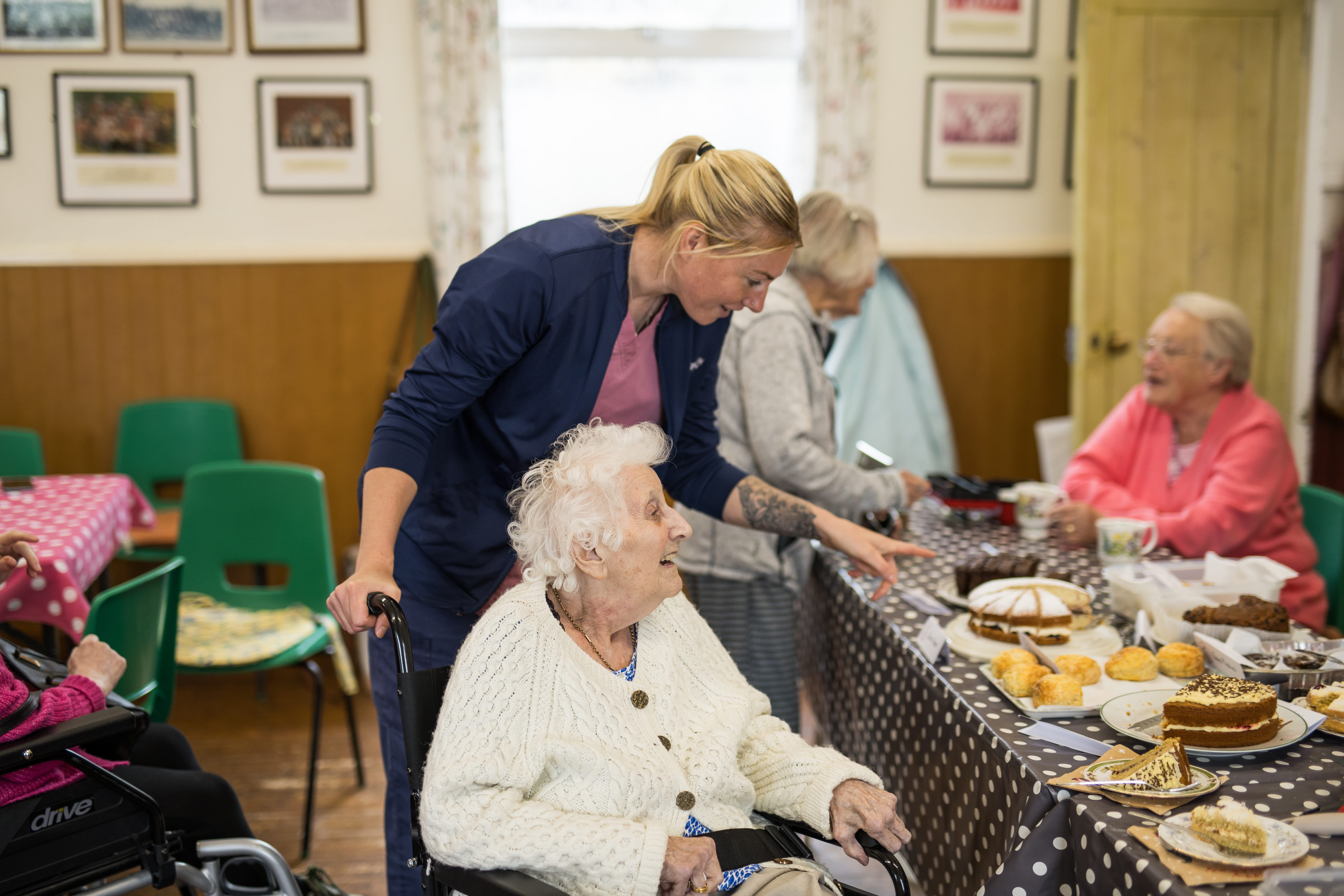
- Companionship and social interaction to prevent loneliness
- Encouragement to participate in hobbies and community activities adapted for low vision
- Support in attending support groups for individuals with glaucoma or visual impairment
- Reassurance and encouragement to maintain confidence and self-esteem
This holistic approach addresses both physical and emotional well-being, improving overall quality of life.
Case Example: Supporting Daily Life
Mrs Thompson, an 82-year-old living alone with glaucoma, struggled to cook and navigate her home safely. Her care team implemented several strategies: creating clear walking paths, labelling kitchen items in large print, and accompanying her during meals. With regular reminders for her eye drops and scheduled eye appointments, Mrs Thompson maintained independence while reducing her risk of falls and anxiety.
Conclusion
Glaucoma is a serious eye condition that can profoundly impact the lives of older adults if left undetected or unmanaged. Early recognition, adherence to treatment, lifestyle adjustments, and regular eye check-ups are essential to preserve vision and maintain independence.
Professional home care services play a crucial role in supporting older adults with glaucoma. From medication management and environmental adaptations to emotional support and guidance in daily tasks, our expert carers provide the practical assistance needed to live safely and confidently at home. By combining medical awareness with compassionate care, carers help seniors maintain quality of life, dignity, and autonomy despite the challenges of vision loss.
FAQs: Glaucoma and Vision Loss in the Elderly
Q: Can glaucoma be prevented?
A: While glaucoma cannot always be prevented, regular eye exams and early treatment can significantly reduce the risk of severe vision loss.
Q: How quickly does glaucoma progress?
A: Open-angle glaucoma progressesslowly, often over years, while angle-closure glaucoma can progress rapidly andrequires immediate medical attention.
Q: Can vision lost to glaucoma be restored?
A: Unfortunately, damage to theoptic nerve is irreversible, but proper treatment can slow or halt furthervision loss.
Q: How can carers help with daily activities?
A: Carers can implement safetymeasures, organise the home environment, provide mobility support, and assistwith reading, cooking, and other visually demanding tasks.
Q: Are there support networks for individuals withglaucoma?
A: Yes. Organisations such as RNIB (RoyalNational Institute of Blind People) in the UK offer resources,advice, and community support for people living with glaucoma and vision loss.
Q: Can regular exercise help prevent vision loss?
A: While exercise cannot preventglaucoma itself, physical activity improves overall health and bloodcirculation, which supports eye health and reduces the risk of secondarycomplications.
Q: How do carers handle medication side effects?
A: Carers monitor for side effects such as stinging, redness, or blurred vision after using eye drops and communicate concerns to healthcare professionals promptly.