Pressure sores, also referred to as pressure ulcers or bedsores, are injuries to the skin and underlying tissue caused by prolonged pressure. They are especially frequent in individuals who are unable to move, who spend long periods in bed or in a chair, or who have other conditions that make their skin more susceptible.
Even though pressure sores can become serious, most can be prevented. One can help reduce the risk by encouraging regular movement, providing proper skin care, maintaining an appropriate diet and hydration, and using suitable pressure-relieving equipment.
For families looking after an older relative at home, knowing what to look out for and understanding how prevention works can provide great reassurance. The guide sets out the causes and early warning signs of pressure sores, who is most at risk, and the practical steps that families and carers can take to protect vulnerable skin.
What Are Pressure Sores?
Pressure sores occur when sustained pressure on a body part reduces blood flow to the skin and underlying tissues. Damage to the skin can also result from friction and shearing. They usually occur in areas with bone because there is less natural cushioning there. Typical spots are the heels, hips, elbows, coccyx, and various parts of the back.
A pressure sore might start with a slight change in the skin, but if the right steps are not taken, the damage can develop into a blister or an open wound and may spread to deeper tissue. Pressure sores can appear rather suddenly, especially in people who are seriously ill or have very little mobility.
Who Is At Risk of Pressure Sores?
Anyone can get a pressure sore, but some people are much more susceptible than others. The risk may be greater among older people, since the skin tends to thin and become less resilient with ageing, and the muscle and fatty tissue that normally act as a cushion may decrease. Limited mobility is one of the main risk factors; a person who finds it difficult to reposition themselves might stay in the same position for long periods without realising that pressure is increasing.
Other risk factors include:
- Spending long periods in bed or sitting in a chair
- Having had a pressure sore previously
- Poor appetite or inadequate nutrition
- Dehydration
- Incontinence or persistently damp skin
- Poor circulation
- Reduced sensation or numbness
- Frailty or significant weakness
- A serious illness or recent surgery
- Certain neurological conditions
- Difficulty understanding or remembering when to move
Recognising the Early Signs
One of the most important factors in preventing pressure sores is early recognition. By regularly checking the skin, you can detect any changes before they turn into a more serious wound.
Look for Changes in Skin Colour
Discoloured spots can act as an early warning sign. On lighter skin, pressure damage may look red, while on darker skin, it may appear purple, blue, or darker than the surrounding skin. Do not rely solely on redness, especially when assessing people with darker skin tones, as changes in colour, temperature, texture, or appearance must be considered.
Check for Changes in Texture or Temperature
An area under pressure might seem warmer, cooler, harder, or softer than the surrounding skin and could also appear swollen or abnormally firm. Pain, tenderness, a burning or an itching sensation may also be a sign that a particular area requires attention.
Pay Particular Attention to Pressure Points
During a skin check, focus especially on areas where the bones are close to the surface. Consider contact points with beds and chairs for those with limited mobility. When a new area of concern arises, the pressure on that area should be relieved, and appropriate healthcare advice should be sought.
Why Regular Movement Is So Important
The most effective way to reduce pressure is to change position regularly. By moving around, pressure can be distributed rather than concentrated on one part of the body. People who are able to walk should be encouraged to move about regularly during the day.
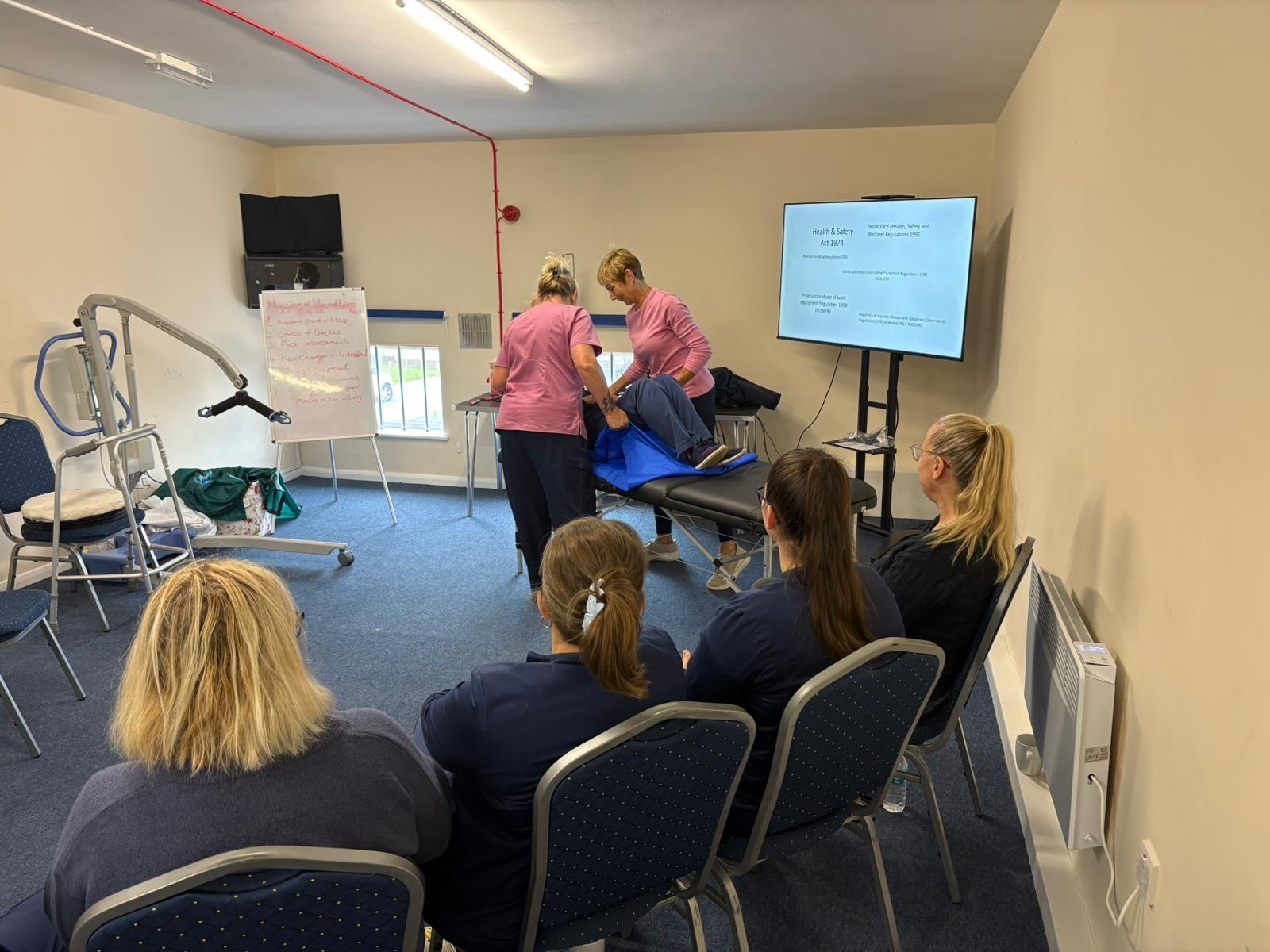
People who are unable to reposition themselves will need assistance. The frequency and method of repositioning should be determined by the individual's specific needs and care plan, not by following the same routine for everyone. Families should not try new methods of moving or handling without proper guidance, as improper repositioning may lead to discomfort, falls, or further skin damage.
Choosing the Right Mattress and Cushions
Pressure-relieving equipment can form an important element of a prevention plan for those at higher risk. In some cases this might involve the use of specialist mattresses, mattress overlays or pressure-redistributing cushions. When considering the use of specialist equipment, families should seek advice from the appropriate healthcare professionals and regularly check that the equipment remains suitable and is used properly.
Since some products that may seem helpful at first glance actually increase pressure or interfere with proper positioning, families should not make their own arrangements using cushions or other equipment without first getting professional advice.
Looking After the Skin
Healthy skin is better able to withstand the pressures it faces every day, which is why proper skin care should be considered an important preventive measure. It is important to keep the skin clean and dry, especially for people with incontinence. After bathing, pat the skin dry rather than rubbing it, as friction can harm fragile skin.
Moisturiser can also help protect dry or fragile skin; when incontinence is a concern, a healthcare professional can recommend appropriate products to protect the skin from moisture and irritation. Be aware that strongly scented products can also cause skin irritation.
The Importance of a Daily Skin Check
For people at greater risk, performing a daily skin check can be a simple yet valuable part of your care routine. There needn't be any complexity in the check; just look for changes in colour, temperature, texture, swelling, or discomfort, especially in areas that are under pressure.
It is useful to keep a simple record of the changes, especially when more than one person is involved in the individual's care. This, in turn, makes it easier to determine whether the problem is improving or worsening.
What to do if you find a pressure sore?
If you believe that an older person has developed a pressure sore, then you should not ignore it. Alleviate the pressure on the affected area and get advice from a trained healthcare professional. Do not try to remove the damaged skin, use unrecommended treatments or apply special dressings without first obtaining proper guidance.
If the area becomes hot, swollen, or more painful, urgent medical advice may be required, especially if there is pus or the person develops a high temperature. Early intervention will help ensure that a fairly small amount of skin damage does not become more serious.
How Home Care Can Support Pressure Sore Prevention
It can be difficult for an individual and their family to implement an effective prevention programme if the individual is frail or has limited mobility. Home care provided by professionals can offer practical help with daily activities and support maintaining a regular routine for skin care, mobility, and personal habits.
Caregivers with a good deal of experience can carry out tasks such as personal care, changing a person's position when this is included in their agreed care responsibilities, preparing meals, and helping to maintain a comfortable daily routine. They can also pick up on any changes from a person's normal condition and pass on their concerns to the right people.
Quality home care can work with healthcare professionals and families to help an older person stay comfortable and well supported in the places they are used to.
FAQs About Preventing Pressure Sores at Home
Can pressure sores be prevented completely?
It is very difficult to eliminate the risk of pressure sores entirely. Yet the risk can be greatly reduced through regular movement, performing skin checks, using appropriate equipment, and maintaining a good diet.
How frequently should an older person be repositioned?
There isn't a single schedule that will suit everyone. The frequency should be determined by the individual's risk level, mobility, skin condition, and care plan. A healthcare professional can provide specific advice.
Is it true that pressure sores are only caused by lying in bed?
Pressure sores may occur in any individual who remains in the same position for a long time, whether sitting in a chair or wheelchair for most of the day, or confined to bed.
What is the first indication of a pressure sore?
A shift in the colour, temperature or texture of the skin might be an early sign. Pain, tenderness, or unusual discomfort could also indicate developing pressure damage. When any changes are a cause for concern, they should be evaluated as soon as possible.
Does good nutrition stop pressure sores?
Good nutrition supports healthy skin and general health, but diet alone cannot prevent pressure sores. Nutrition needs to be considered alongside movement, skin care, and appropriate equipment.