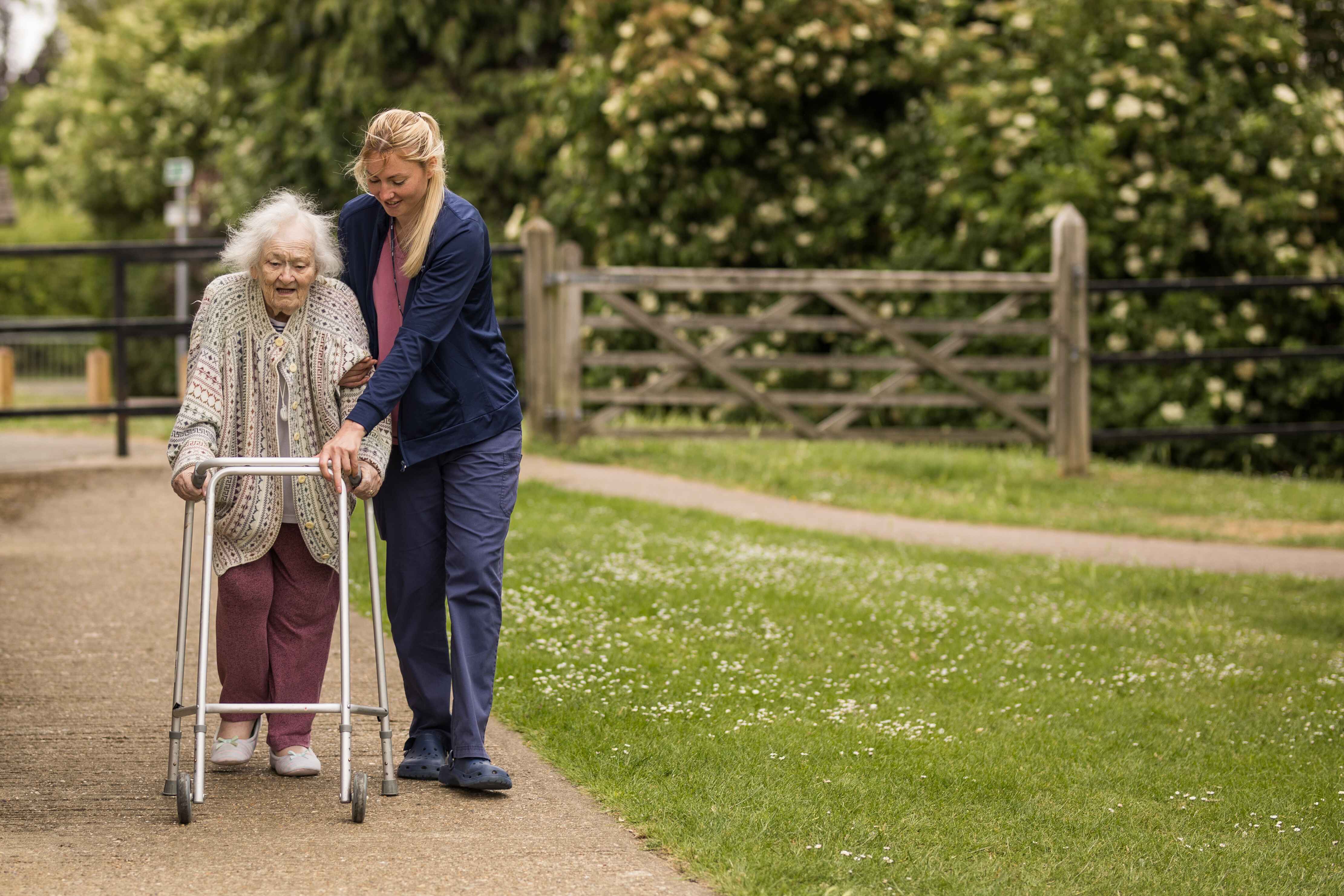
Staying physically active is essential at any age, but for older persons with limited mobility, it can feel especially challenging. Reduced movement doesn’t mean giving up on exercise; it simply means adapting activities to suit individual abilities and needs. Safe, simple exercises at home can help older adults maintain strength, flexibility, and independence, while also boosting mood and overall well-being.
In this guide, we share 10 simple exercises designed for seniors with limited mobility. Each exercise is easy to adapt, requires little or no equipment, and can be performed at home. We’ll also cover practical tips for staying motivated, ensuring safety, and involving carers or family members to make exercise a positive daily habit.
Seated Marching
Seated marching is an excellent way to get the blood flowing and gently raise the heart rate while strengthening the legs.
How to do it: Sit in a sturdy chair with your back straight. Slowly lift one knee toward your chest, then lower it. Next, lift the other knee. Repeat in a marching motion. Aim for 1–2 minutes and build up over time.
Benefits: Improves circulation, warms up muscles, and supports lower-body strength. It also encourages gentle cardiovascular activity without putting stress on the joints.
Adaptations: Carers can encourage seniors to use light ankle weights for added resistance once comfortable. For those with very limited mobility, even lifting the foot slightly off the ground can provide benefits.
Tips: Play some upbeat music to create rhythm and make the exercise more enjoyable. Pairing it with deep breathing can turn it into both a cardio and relaxation activity.
Arm Raises with Light Weights
Arm raises strengthen the shoulders and arms, which are essential for daily activities such as lifting shopping bags, reaching overhead, or even brushing your hair.
How to do it: Sit or stand with feet flat on the floor. Hold light hand weights (or water bottles). Slowly raise arms to shoulder height, pause, then lower them back down. Perform 8–12 repetitions.
Benefits: Builds upper-body strength, improves posture, and supports independence.
Adaptations: If lifting arms straight out is difficult, try lifting one arm at a time. Individuals with shoulder pain can limit the range of motion and still feel the benefits of arm raises.
Tips: Begin with very light resistance (using 500ml water bottles is a safe start). Focus on slow, controlled movements rather than speed.
Ankle Circles
This simple exercise helps keep the ankles flexible, improving circulation and reducing stiffness, which is particularly important for individuals who spend long periods seated.
How to do it: While seated, lift one foot slightly off the floor. Slowly rotate your ankle clockwise for 5–10 rotations, then rotate it counterclockwise. Switch legs.
Benefits: Enhances mobility, reduces swelling, and lowers the risk of falls by strengthening stabilising muscles.
Adaptations: For those unable to lift their foot fully, simply pointing and flexing the toes up and down is a good starting point.
Tips: Combine with deep breathing for a calming effect. Carers can gently guide the foot in circular motions if needed.
Seated Side Stretches
Stretching the sides of the body helps maintain flexibility in the spine and torso, areas that can stiffen with age or inactivity.
How to do it: Sit upright in a chair with feet flat on the floor. Place your left hand on your lap and slowly raise your right arm overhead, leaning gently to the left. Hold for 5–10 seconds, return to centre, then switch sides.
Benefits: Increases flexibility, supports good posture, and reduces stiffness in the spine.
Adaptations: Older adults with shoulder difficulties can keep their raised arm bent at the elbow or simply lean to the side without lifting the arm.
Tips: Move slowly and avoid over-stretching. Breathe deeply throughout, and exhale gently while leaning.
Hand Squeezes
Hand squeezes are a simple yet effective exercise for improving grip strength, which is essential for tasks such as opening jars, carrying shopping, or holding utensils.
How to do it: Hold a soft stress ball or rolled-up towel. Squeeze firmly for 3–5 seconds, then release. Repeat 10–15 times for each hand.
Benefits: Strengthens hand muscles, supports joint flexibility, and helps reduce arthritis stiffness.
Adaptations: If gripping is difficult, try squeezing larger objects, like a cushion or sponge.
Tips: Perform while watching TV or listening to music to make it part of a relaxing daily routine.
Seated Leg Extensions
Leg extensions build strength in the thighs, which is crucial for walking, standing, and transferring from chairs safely.
How to do it: Sit in a sturdy chair. Slowly straighten one leg until it’s level with your hip. Hold for 2–3 seconds, then lower it back down. Repeat on the other leg. Perform 8–12 repetitions per leg.
Benefits: Strengthens quadriceps, improves circulation, and helps maintain mobility.
Adaptations: For an extra challenge, add ankle weights or loop a resistance band around the ankles.
Tips: Focus on slow, steady movements. Carers can provide gentle encouragement and ensure posture stays upright.
Neck Rotations
Neck mobility often decreases with age, but gentle rotations help maintain flexibility and reduce tension.
How to do it: Sit upright and slowly turn your head to the right, hold for 3–5 seconds, then turn left. Repeat 5–10 times.
Benefits: Relieves stiffness, improves range of motion, and reduces neck and shoulder tension.
Adaptations: Instead of full turns, simply look slightly left and right if the range of motion is limited.
Tips: Avoid quick or jerky movements. Combine with shoulder rolls for a mini upper body stretch routine.
Wall Push-Ups
Wall push-ups are a safe alternative to floor push-ups, allowing you to build upper-body strength without strain.
How to do it: Stand facing a wall with feet shoulder-width apart. Place your hands flat on the wall at shoulder height. Slowly bend your elbows and lean toward the wall, then push back to a standing position. Perform 8–12 repetitions.
Benefits: Strengthens arms, chest, and shoulders, and improves stability.
Adaptations: Adjust the foot distance from the wall to increase or decrease resistance. For wheelchair users, pushing forward against a stable table or surface provides similar benefits.
Tips: Keep movements slow and controlled, with elbows tucked slightly inward for shoulder protection.
Seated Heel Raises
This simple movement strengthens the calves and improves ankle stability, both of which are vital for maintaining balance and walking stability.
How to do it: Sit in a chair with feet flat on the floor. Slowly lift your heels as high as possible while keeping your toes on the floor. Lower and repeat 10–15 times.
Benefits: Improves circulation, strengthens lower legs, and supports balance.
Adaptations: Place a book or light weight on the knees for extra resistance.
Tips: Try doing this while chatting or watching TV. It’s easy to slip into daily routines.
Chair Yoga and Breathing Exercises
Chair yoga combines gentle stretches with mindful breathing, helping seniors relax while maintaining flexibility and calmness.
How to do it: Try simple poses such as seated cat-cow stretches, forward bends, or shoulder rolls while focusing on slow, deep breathing. Aim for 5–10 minutes of daily practice.
Benefits: Enhances flexibility, reduces stress, and improves lung capacity. Mindful breathing also supports emotional well-being and reduces anxiety.
Adaptations: Guided videos or online classes are excellent resources for beginners. Carers can join in, making it a shared activity.
Tips: Practice in a quiet space. Pair with relaxing music for a calming effect.
Safety Tips for Exercising with Limited Mobility
When engaging in stretching and exercise, it’s essential to always keep safety in mind.
- Always consult a healthcare provider before starting a new exercise routine.
- Use sturdy chairs without wheels for seated exercises.
- Keep water nearby to stay hydrated.
- Wear supportive shoes or non-slip socks.
- Start slowly and listen to your body. Stop if you feel pain or dizziness.
- Carers should supervise until routines are well established.
A professional home carer can facilitate and support safe exercise at home.
Staying Motivated
Building an exercise routine takes consistency, but the rewards are worth it. Here are some tips to stay on track:
- Schedule exercise at the same time each day to form a habit.
- Pair exercises with enjoyable activities, like listening to music or watching a favourite TV show.
- Celebrate small wins and track progress in a journal.
- Involve family members or carers to make it social and fun.
- Use simple trackers or checklists to encourage accountability.
Helpful Resources
- NHS Fitness Studio: Offers free online exercise videos for seniors.
- Age UK: Provides advice on safe exercise and wellbeing for older adults. Organises local exercise classes.
- YouTube channels like "Yes2Next" or "Sit and Be Fit" provide chair-based routines.
Conclusion and Takeaways
Limited mobility doesn’t mean giving up on staying active. With the right exercises, older adults can strengthen their muscles, improve flexibility, and support their independence, all from the comfort of their own homes. By starting slowly and building a routine, seniors can enjoy the physical and emotional benefits of regular movement.
Staying active is about consistency and enjoyment, not perfection. Even just a few minutes a day can add up to better health, increased confidence, and a higher quality of life.