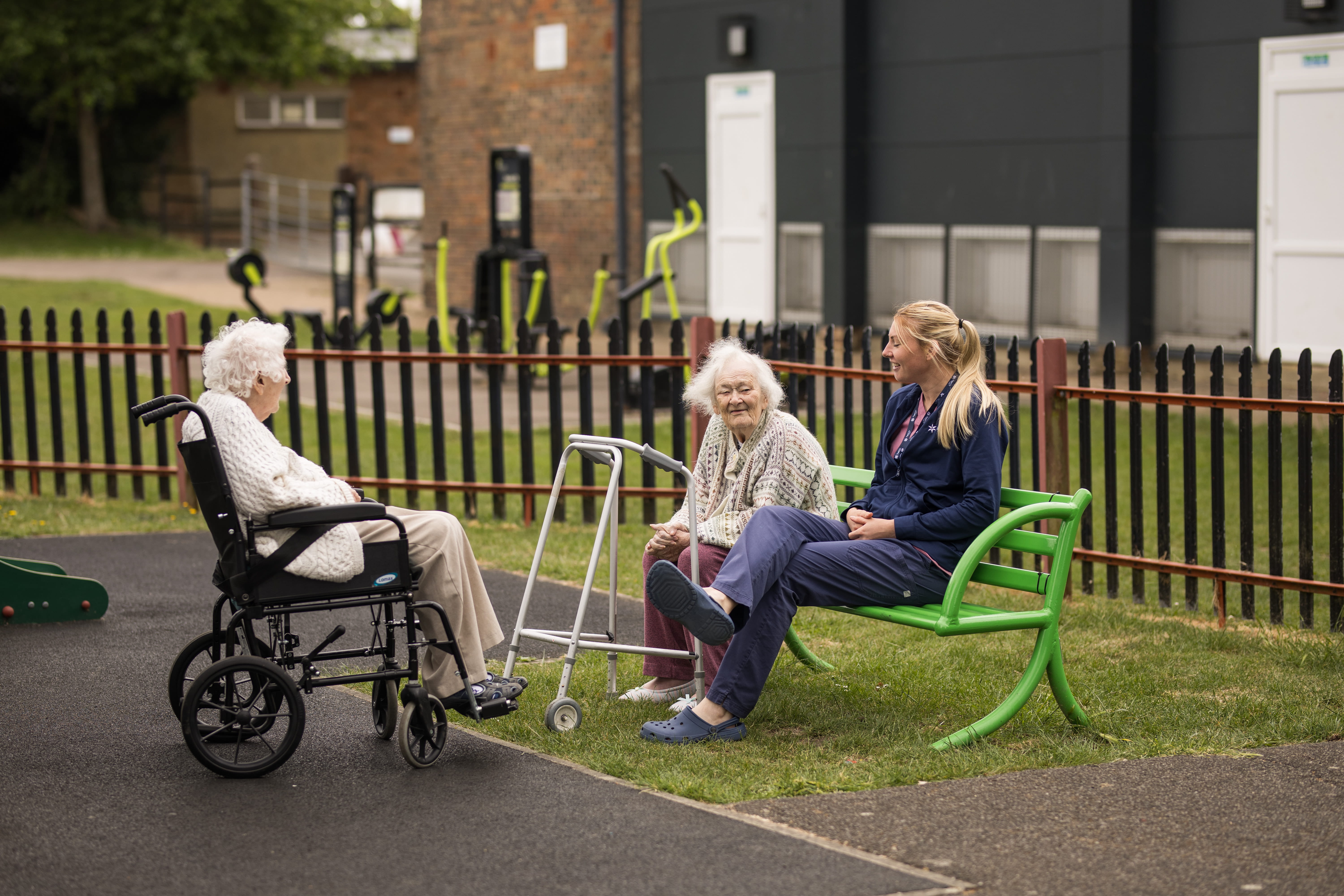
Staying active and engaged throughout the year is vital for older adults’ physical health, mental well-being, and emotional fulfilment. Seasonal activities offer variety, structure, and something to look forward to, while also aligning with changing energy levels, weather conditions, and personal interests. By adapting activities to each season, seniors can enjoy meaningful experiences that support independence, social connection, and quality of life. Whether living alone or receiving support at home, seasonal activities can be tailored to suit individual abilities and preferences.
This guide explores engaging, practical activity ideas for older adults across all four seasons, helping families and carers support year-round fulfilment in an organic and enjoyable way.
Why Seasonal Activities Matter for Older Adults
Seasonal activities help create rhythm and purpose throughout the year. They encourage movement, stimulate the mind, promote emotional balance, and prevent monotony.
Key benefits include:
- Supporting physical activity in varied and enjoyable ways
- Encouraging cognitive stimulation through change and novelty
- Enhancing mood by aligning with seasonal traditions and interests
- Providing opportunities for social interaction and connection
- Helping maintain daily structure and routine
By adjusting activities to suit the season, older adults can remain engaged while respecting comfort, safety, and energy levels.
Spring: Renewal, Growth, and Gentle Activity
Spring is often associated with fresh starts, improving weather, and renewed energy. It is an ideal time to encourage gentle activity, creativity, and engagement with nature after the quieter winter months.
Outdoor Activities in Spring
As temperatures rise and daylight increases, spending time outdoors becomes more appealing. Spring activities should prioritise light movement and enjoyment over exertion.
Some suitable spring activity ideas include:
- Short walks in local parks or gardens
- Light gardening, such as planting seeds or tending pots
- Birdwatching or nature observation
- Visiting garden centres or spring flower displays
- Sitting outdoors for fresh air and sunshine
These activities support mobility, vitamin D exposure, and mental health while remaining low impact.
Creative and Indoor Spring Activities
Not all spring activities need to be outdoors. Creative pursuits can reflect the season’s themes of growth and colour.
Engaging options include:
- Flower arranging or pressing flowers
- Painting or drawing spring scenes
- Crafting seasonal decorations
- Baking lighter recipes inspired by spring produce
- Organising photographs or memory books
Creative activities stimulate cognitive function and provide a sense of accomplishment without physical strain.
Social and Well-being Focus in Spring
Spring is a natural time for reconnecting socially. Gentle encouragement to re-engage with others can boost confidence and mood.
Ideas to support social engagement include:
- Inviting friends or family for tea
- Attending local community events
- Joining gardening or walking groups
- Participating in faith or cultural spring celebrations
For some older adults, structured support at home can help rebuild confidence in social participation after winter isolation, making activities feel manageable and enjoyable.
Summer: Energy, Connection, and Enjoyment
Summer offers longer days and warmer weather, creating opportunities for social interaction, outdoor engagement, and uplifting experiences. Activities should balance enjoyment with safety, particularly during periods of heat.
Safe Outdoor Summer Activities
Outdoor activities in summer should be planned around cooler parts of the day and adapted to individual tolerance levels.
Suitable summer activities include:
- Morning or early evening walks
- Picnics in shaded areas
- Visiting seaside towns or local attractions
- Sitting in the garden with books or music
- Light watering or plant care
Regular hydration, sun protection, and rest breaks are essential to ensure safety.
Social Activities and Community Engagement
Summer often brings community events and opportunities for social connection. Participating in these activities can reduce loneliness and enhance emotional well-being.
Engaging ideas include:
- Attending local fêtes or fairs
- Watching outdoor performances or concerts
- Joining summer clubs or social groups
- Spending time with grandchildren during school holidays
- Enjoying shared meals with neighbours or friends
Social engagement supports emotional resilience and provides meaningful connections, particularly for those who live alone.
Indoor Summer Activities for Hot Days
On very warm days, indoor activities remain essential for comfort and safety while maintaining a regular regime of mentally stimulating tasks.
Comfortable indoor ideas include:
- Listening to music or audiobooks
- Gentle chair-based exercises
- Watching classic films or documentaries
- Completing puzzles or word games
- Creative writing or journaling
Our experienced home carers can help older adults balance activity with rest during warmer months, promoting enjoyment without overexertion.
Autumn: Reflection, Creativity, and Comfort
Autumn is a season of change, offering opportunities for reflection, creativity, and gentle routine-building as days grow shorter. Activities can focus on comfort, sensory engagement, and meaningful tasks.
Autumn Outdoor Activities
Autumn weather is often ideal for gentle outdoor engagement before winter sets in.
Enjoyable options include:
- Short nature walks to observe changing leaves
- Visiting parks or countryside areas
- Collecting leaves or natural items for crafts
- Light garden tidying
- Sitting outdoors wrapped warmly with a hot drink
These activities support mental health and encourage appreciation of the season’s beauty.
Creative and Purposeful Indoor Activities
Autumn lends itself well to cosy, creative pursuits that encourage focus and calm.
Ideas include:
- Knitting, sewing, or textile crafts
- Autumn-themed baking or cooking
- Scrapbooking or memory sharing
- Seasonal arts and crafts
- Writing letters or cards
Purposeful activities help maintain fine motor skills, cognitive engagement, and emotional satisfaction.
Preparing for the Colder Months
Autumn is also a practical time to prepare for winter, offering a sense of control and readiness.
Helpful activities may involve:
- Organising winter clothing
- Reviewing routines and schedules
- Planning indoor hobbies for colder weather
- Discussing seasonal health needs
Support at home can help ensure preparations are completed safely while encouraging involvement rather than taking over tasks unnecessarily.
Winter: Comfort, Connection, and Mental Stimulation
Winter can be challenging for older adults due to reduced daylight, colder temperatures, and increased isolation. Seasonal activities during winter should prioritise comfort and safety.
Indoor Activities for Winter Well-being
With more time spent indoors, engaging activities help prevent boredom and low mood.
Suitable winter activities include:
- Board games, card games, or puzzles
- Reading or listening to audiobooks
- Watching favourite television programmes or films
- Learning new skills, such as a language or craft
- Gentle stretching or chair exercises
Maintaining routine and structure is particularly important during the winter months.
Emotional and Social Connection in Winter
Winter can increase feelings of loneliness, making meaningful connections especially valuable.
Ways to encourage connection include:
- Regular phone or video calls with family
- Hosting small gatherings at home
- Writing letters or emails
- Participating in virtual groups or classes
For some families, trusted in-home support can provide reassurance and companionship during winter, helping older adults remain engaged and emotionally supported.
Seasonal Celebrations and Traditions
Celebrations can bring warmth and meaning to winter months, regardless of cultural or religious background.
Ideas include:
- Decorating the home together
- Preparing traditional meals or treats
- Sharing stories and memories
- Marking significant dates or anniversaries
Honouring traditions supports identity, emotional comfort, and a sense of belonging.
Adapting Activities to Individual Needs
Seasonal activities should always be adapted to suit individual preferences, abilities, and health considerations. What feels enjoyable and manageable for one person may not suit another.
Key considerations include:
- Physical mobility and energy levels
- Cognitive ability and attention span
- Sensory preferences
- Cultural background and interests
- Daily routines and personal choice
Flexibility ensures activities remain positive and empowering rather than overwhelming.
How Home-Based Support Can Enhance Seasonal Activities
Thoughtful support at home can help older adults engage in seasonal activities safely and confidently. By offering encouragement, practical assistance, and companionship when needed, care professionals can help individuals remain active participants in their own lives while respecting independence and personal choice.
Reach out to us today to find out more about how our home carers can support your loved one.
Conclusion
Seasonal activities offer older adults variety, purpose, and enjoyment throughout the year. By aligning activities with the rhythms of spring, summer, autumn, and winter, seniors can remain physically active, mentally stimulated, and emotionally connected. With thoughtful planning and flexible support, every season can bring opportunities for engagement, comfort, and fulfilment at home.
What now? Try creating a simple list of seasonal activities with your loved one. Explore their preferences and consider how activities can be adapted to meet their physical and emotional needs.