The role of a home carer is constantly evolving. With an ageing population, more people than ever wish to remain at home while receiving support. At the same time, advances in technology, new healthcare challenges, and changing expectations are reshaping what it means to provide quality care.
In 2025, being a home carer goes far beyond practical assistance. It requires compassion, adaptability, technical knowledge, and strong communication skills. Families looking for carers and those pursuing a career in care benefit from understanding the top skills needed for today’s landscape.
Here, we explore the ten most essential skills every home carer should possess in 2025, highlighting how they support the safety,dignity, and independence of older adults.
1. Compassion and Empathy
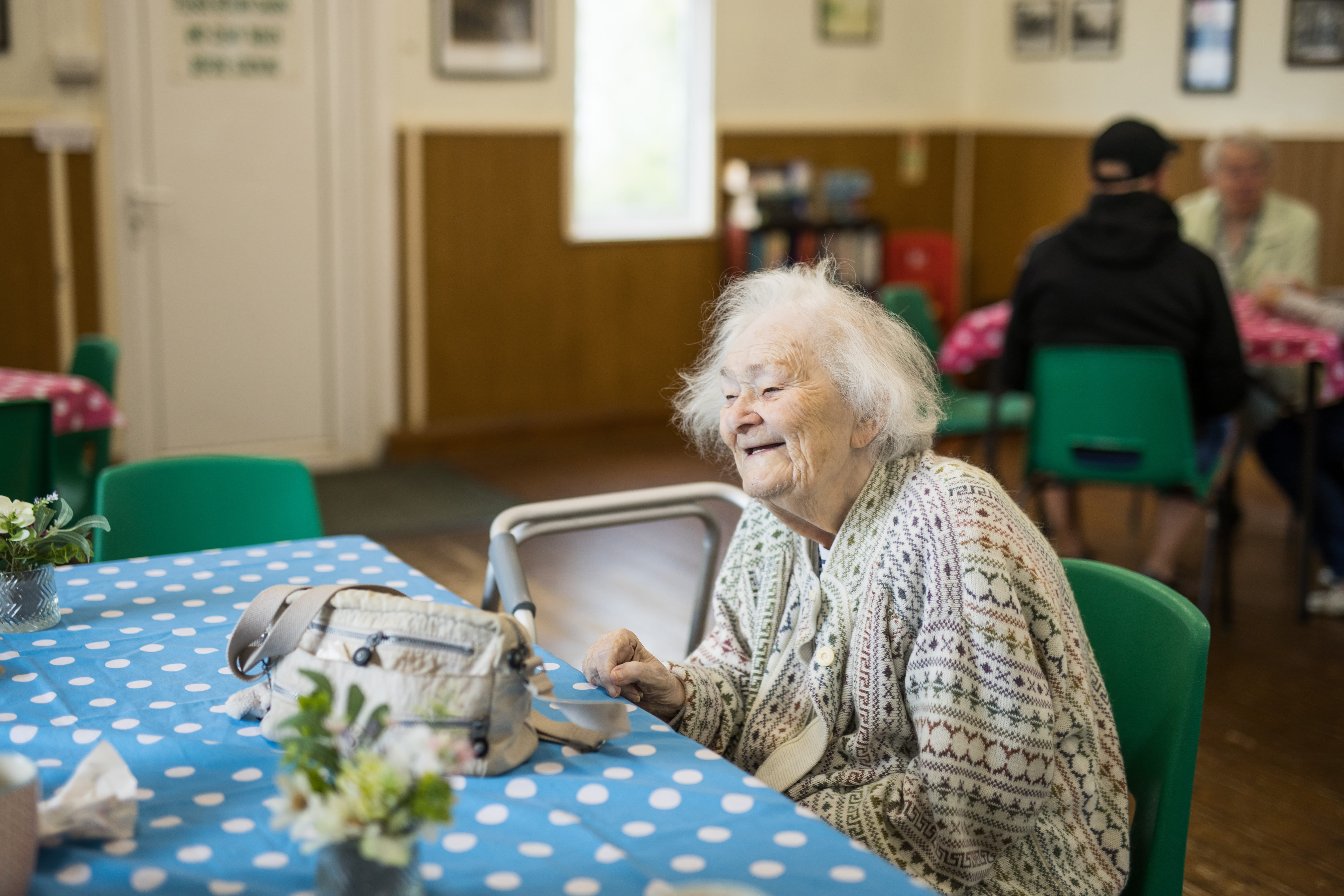
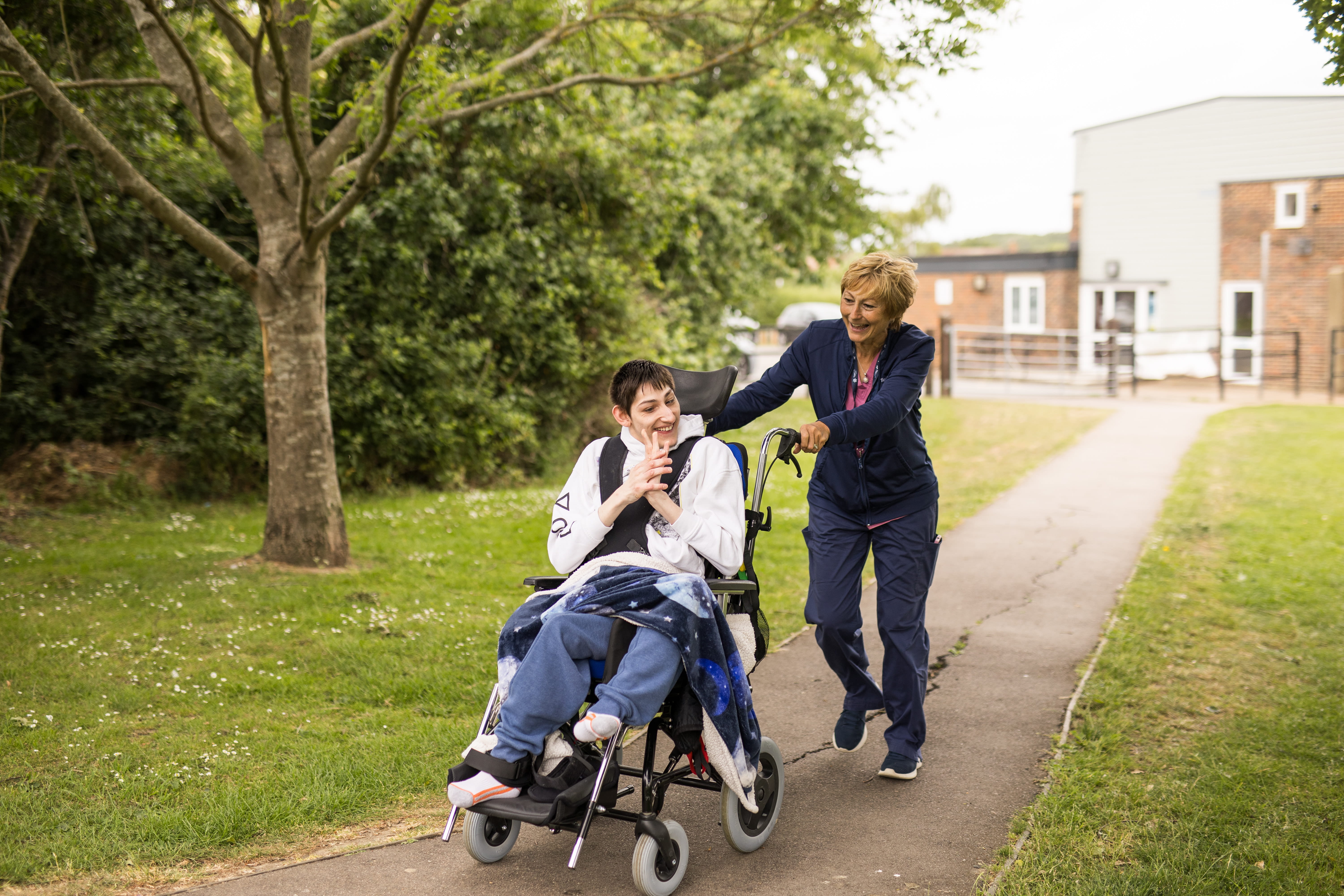
Compassion remains the foundation of quality care.Seniors need more than practical help; they need to feel understood, valued,and respected.
Why compassion and empathy matter:
- Builds trust and rapport with older adults.
- Provides reassurance in moments of vulnerability.
- Supports emotional well-being, not just physical health.
What compassion looks like in practice:
- Listening actively to a loved one’s thoughts and concerns.
- Showing patience when tasks take longer.
- Offering gentle reassurance during challenging moments.
Families consistently report that the difference between good care and excellent care lies in the empathy carers bring into the home. Our compassionate home care service is built around this principle,ensuring every client feels supported both physically and emotionally.
2. Strong Communication Skills
Carers are a vital link between clients, families, and healthcare providers. Clear communication ensures everyone stays informed.
Key elements of good communication include:
- Listening: Paying attention to both words and body language.
- Clarity: Explaining tasks, medications, or health changes in simple terms.
- Documentation: Keeping accurate records of daily care and observations.
In 2025, carers often use digital platforms to log updates, share care notes, or message family members. The ability to combine human warmth with technology is essential.
3. Medical Knowledge and Health Monitoring
While carers are not doctors or nurses, a strong understanding of common health conditions enables them to respond effectively to the needs of those in their care.
Examples of essential medical knowledge include:
- Recognising signs of a stroke, heart attack, or infection.
- Understanding chronic conditions like diabetes, COPD, and dementia.
- Monitoring vital signs such as temperature, blood pressure, or blood sugar.
Carers often notice small changes, such as reduced appetite, swelling, or confusion, that may signal bigger problems. Early reporting can prevent hospitalisation and save lives.
4. Medication Management Skills
Medication errors pose a significant risk to older adults. Skilled carers ensure that safety and consistency are maintained during medication delivery.
Good medication management includes:
- Organising medication schedules.
- Providing reminders at the correct times.
- Understanding potential side effects.
- Liaising with pharmacists or doctors if concerns arise.
Modern carers may use automated dispensers, mobile apps, or digital trackers to monitor medication adherence. Knowledge of these tools is a vital skill.
5. Adaptability and Problem-Solving
No two days in home care are the same. A good carer must adapt quickly to new situations.
Common scenarios that require adaptability:
- Adjusting meals for unexpected dietary restrictions.
- Responding calmly to sudden illness.
- Managing changes to routines or family schedules.
- Handling equipment breakdowns or technology glitches.
Adaptable carers reduce stress for seniors and families by providing solutions, not just identifying problems.
6. Knowledge of Assistive Technology
Technology is rapidly transforming home care. In 2025,carers are expected to understand how to use a wide range of assistive devices.
Types of assistive technology may include:
- Fall detectors and wearable health monitors.
- Voice-activated assistants for reminders.
- Smart home systems for lighting, heating, or safety alerts.
- Telehealth platforms for remote doctor consultations.
Carers often act as a bridge, helping seniors feel comfortable with new devices and ensuring they are used effectively. Our expert carers are experienced in integrating assistive technology into daily routines, enhancing both safety and independence at home.
7. Nutrition and Meal Preparation Skills
Good nutrition is essential for healthy ageing. Carers play a direct role in ensuring meals are both enjoyable and nourishing.
Key aspects of nutritional care:
- Understanding dietary needs for conditions like diabetes or heart disease.
- Preparing meals that are easy to chew and digest.
- Encouraging hydration throughout the day.
- Making meals visually appealing to stimulate appetite.
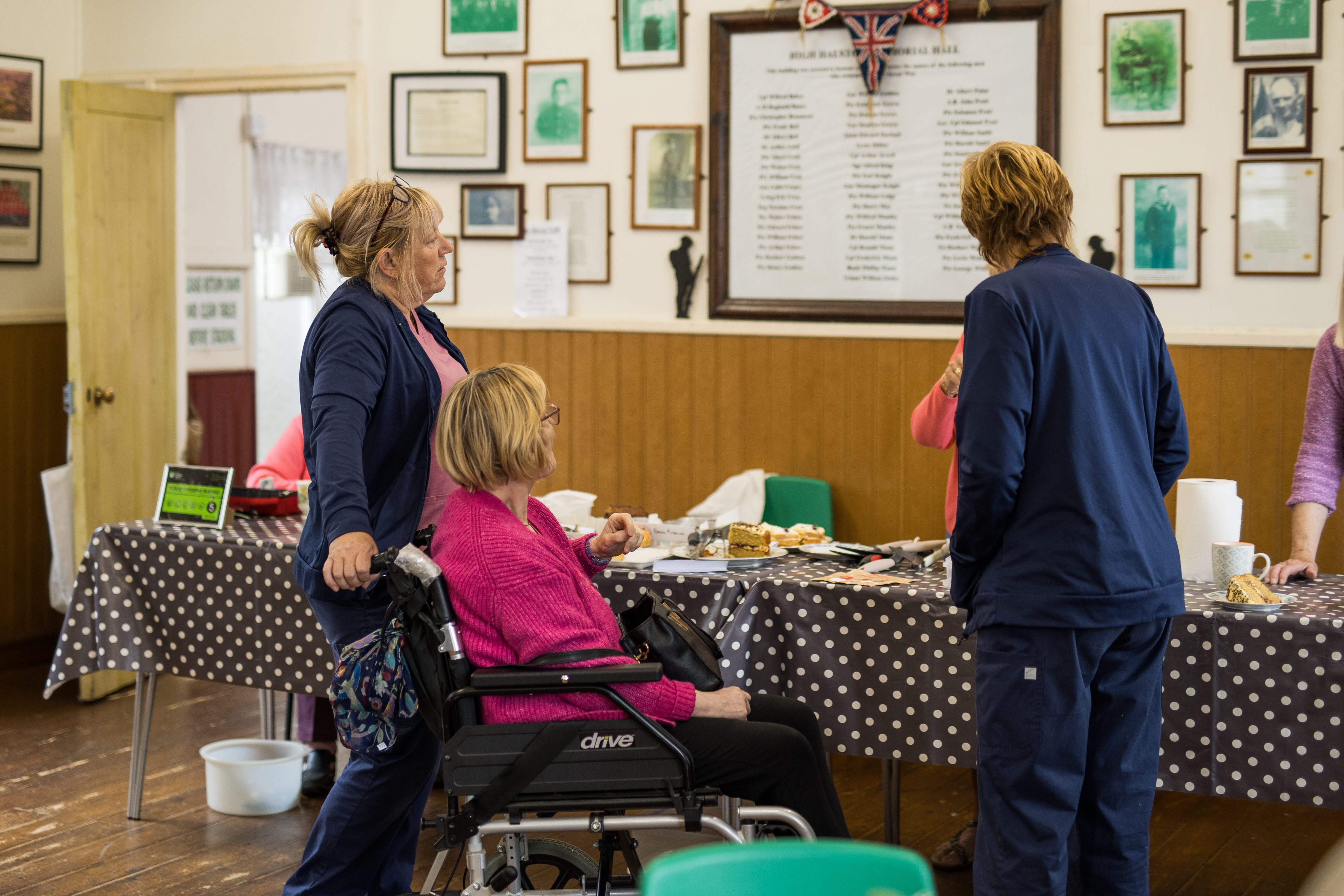
Meal preparation is also about companionship. Sharing mealtimes can reduce loneliness and encourage healthier eating habits.
8. Emotional Resilience and Stress Management
Caring for others is rewarding but can also be demanding. Carers need resilience to cope with challenges while maintaining a positive outlook.
Common signs of emotional resilience include:
- Staying calm in emergencies.
- Handling emotional outbursts with patience.
- Balancing empathy with professional boundaries.
Carers may utilise stress-management strategies, such as mindfulness, exercise, or peer support groups, to maintain their well-being. Families benefit when carers are supported and emotionally strong.
9. Cultural Sensitivity and Personalisation
Every senior is unique, shaped by culture, faith,traditions, and personal preferences. Excellent carers respect these differences.
Cultural sensitivity involves:
- Adapting meals to align with cultural dietary practices.
- Respecting religious routines or holiday traditions.
- Using preferred names, languages, or greetings.
- Recognising and valuing individuality.
Personalised care fosters dignity and strengthens relationships between carers and clients.
10. Teamwork and Collaboration
Home care rarely happens in isolation. Carers often work in collaboration with families, healthcare professionals, and other support workers.
Key teamwork skills include:
- Coordinating with doctors, nurses, or therapists.
- Sharing information transparently with family members.
- Supporting colleagues in multi-carer households.
- Being flexible with shift changes or new care plans.
Collaboration ensures continuity of care and prevents gaps that could compromise safety. Our dedicated care professionals work closely with families and professionals, creating a supportive network around every client.
Additional Skills Emerging in 2025
Beyond the top 10, several other skills are becoming increasingly important. These are worth noting as they may soon become standard expectations.
- Digital Literacy: Carers must navigate online platforms, from ordering prescriptions to updating care records.
- Environmental Awareness: Supporting eco-friendly practices, such as reducing waste and managing energy-efficient homes, is valued by many families.
- Rehabilitation Support: Knowledge of gentle exercises and rehabilitation routines helps clients recover faster from illness or surgery.
How Families Can Identify These Skills in Carers
When choosing a home care provider, families should look for evidence of these skills in both training and practice.
Below are some key questions to ask potential home care providers:
- How do your carers receive training in health monitoring or assistive technology?
- What support is available for carers to manage stress and build resilience?
- How do you ensure care plans are personalised to cultural needs?
- Can families access regular updates on their love done’s well-being?
Providers who give strong answers are more likely to deliver quality care.
The Future of Home Care Skills
As technology advances and healthcare needs become increasingly complex, the role of caregivers will continue to evolve. By 2030,we may see even greater emphasis on digital integration, AI-assisted monitoring, and advanced rehabilitation support.
Yet at the heart of care, compassion and human connection will always remain the most important skills. Technology may assist,but empathy will never be replaced.
Conclusion
The role of a home carer in 2025 is both challenging and deeply rewarding. From compassion and communication to adaptability and technical knowledge, the top 10 skills outlined here form the foundation of quality home care.
Key takeaways include:
- Compassion and empathy remain the cornerstone of excellent care.
- Communication, medication management, and healthmonitoring are vital daily skills.
- Adaptability, emotional resilience, and cultural sensitivity support well-being.
- Knowledge of nutrition, assistive technology, and teamwork ensures a safe and dignified living experience.
Our expert home care service is built around these skills, providing families with the reassurance that their loved ones are supported by carers who are not only trained but also compassionate, adaptable,and dedicated to promoting independence at home.