Technology is transforming the way older adults live at home. From voice-activated assistants to fall detection sensors, assistive devices are enabling seniors to remain independent while staying safe. For caregivers and families, understanding the available options can help strike the right balance between autonomy and support.
This guide explores the wide range of assistive technology designed for the home, highlighting devices that promote independence, reduce risks, and offer peace of mind for both seniors and their loved ones.
Why Assistive Technology Matters for Independent Living
Assistive technology bridges the gap between seniors’ needs and their desire to remain independent at home. Many older adults want to avoid moving into residential care but face challenges with mobility, memory, or health conditions.
Some of the key reasons assistive technology is essential include:
- Safety: Devices reduce risks of falls, accidents, or missed medications.
- Confidence: Seniors feel more secure knowing technology supports them.
- Independence: Tools allow older adults to perform tasks without constant assistance.
- Peace of mind for families: Carers can monitor loved ones without intruding on their privacy.
- Cost savings: Remaining at home with tech support may delay or prevent the need for residential care.
Our professional home care team can also provide support in setting up and maintaining these technologies, ensuring seniors get the maximum benefit without feeling overwhelmed.
Categories of Assistive Technology for the Home
Assistive technology comes in many forms. Understanding the kind of devices available helps families identify the most suitable solutions for their loved one.
Mobility and Movement Aids
Mobility devices improve safety and reduce the risk of falls at home.
Common examples include:
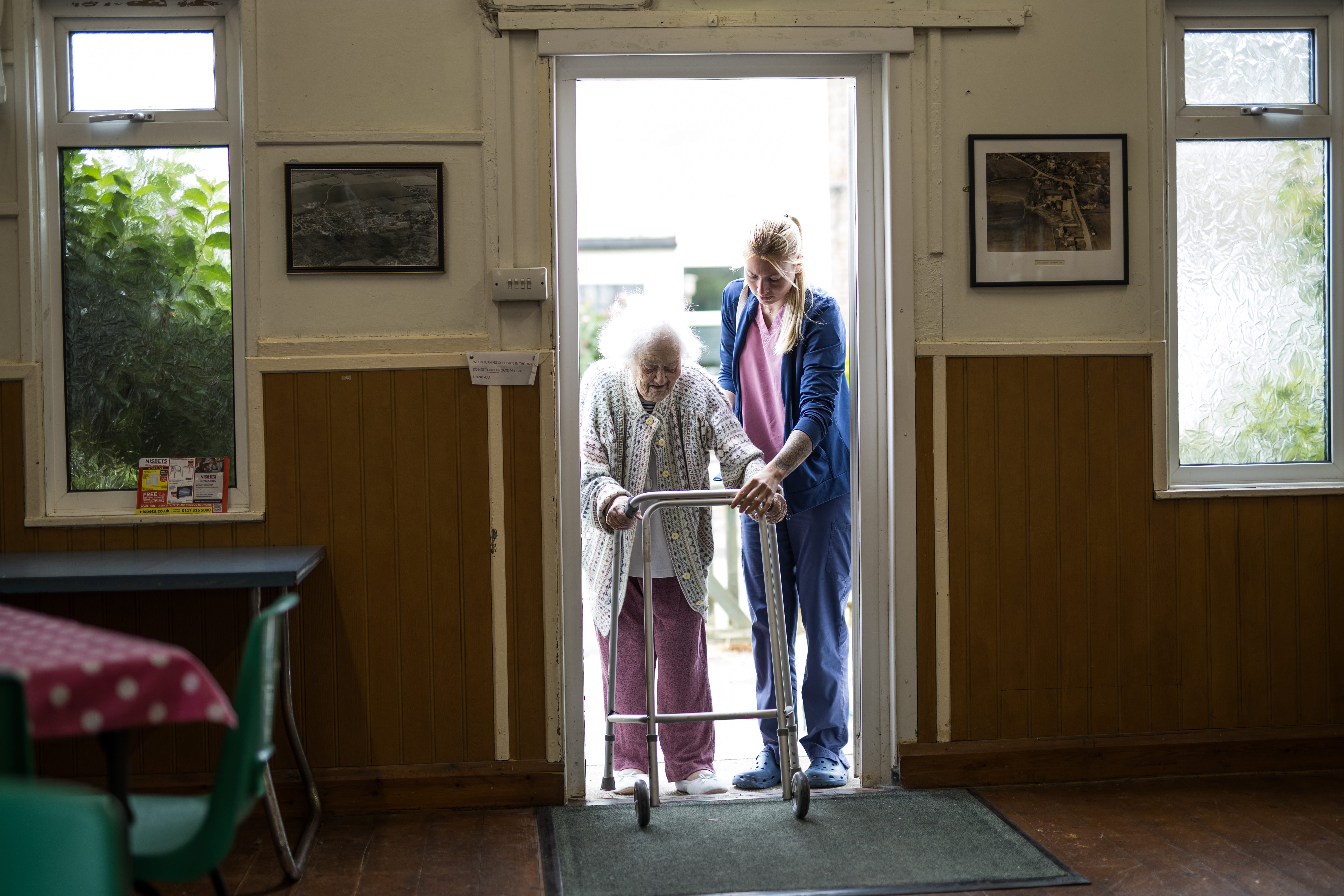
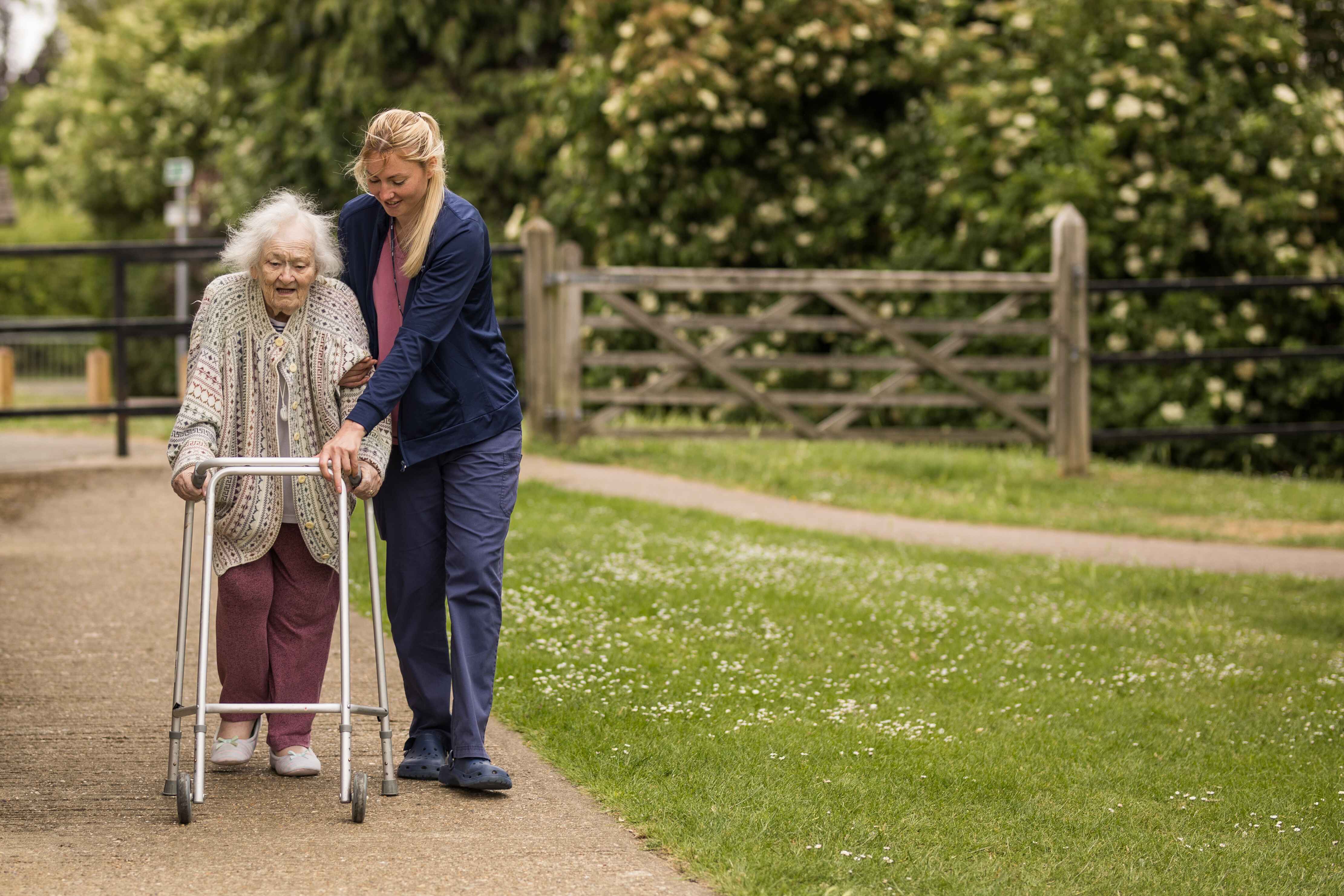
- Smart walking aids: Walkers with built-in sensors that detect obstacles or monitor walking patterns.
- Stairlifts: Motorised chairs that allow safe travel between floors.
- Automated recliners and beds: Make getting in and out easier for those with limited mobility.
- Wearable fall detectors: Devices that alert carers automatically if a fall occurs.
These tools support seniors who may struggle with balance or physical movement.
Daily Living Aids
Simple devices make everyday tasks manageable, helping to preserve independence and autonomy.
Examples include:
- Jar and bottle openers: Ergonomic designs reduce strain on hands.
- Reachers and grabbers: Allow seniors to pick up items without bending.
- Automatic can openers: Useful for those with arthritis or reduced grip strength.
- Voice-controlled lighting and appliances: Reduce the need to move across rooms.
These minor adjustments make homes safer and tasks easier.
Communication and Connection Devices
Maintaining connection is vital for well-being. Assistive tech can bridge communication gaps between loved ones or care professionals.
Communication device options include:
- Amplified telephones: Designed for hearing difficulties.
- Video calling devices: Simple tablets with large buttons for video chats.
- Voice-activated assistants (e.g., Alexa, Google Nest): Provide reminders, weather updates,or entertainment.
- Medical alert systems: One-button devices that call for help in an emergency.
With these devices, carers benefit from reassurance while seniors enjoy stronger connections to their community.
Health and Wellness Technology
Technology now plays a significant role in monitoring and supporting health at home.
Popular devices include:
- Medication dispensers: Automatic pillboxes with alarms or locking mechanisms.
- Smart blood pressure monitors: Sync results with your smartphone or healthcare provider.
- Wearable health trackers: Monitor steps, heart rate, or sleep quality.
- Connected scales or glucose monitors: Track health data over time.
In many cases, our home care professionals can help seniors stay on top of this technology, reminding them to use devices, recording results, and ensuring data is shared with healthcare teams where needed.
Cognitive Support and Memory Aids
Cognitive challenges such as dementia or memory loss can make independent living more difficult. Assistive technology can provide reminders and reassurance.
Examples include:
- Talking clocks and calendars: Give audible reminders for time and appointments.
- Digital picture frames: Display rotating family photos to aid memory.
- Reminder apps or smart displays: Notify seniors when to take medication or attend appointments.
- GPS trackers: Provide safety for seniors prone to wandering.
These devices reduce anxiety for both seniors and their carers.
Home Safety Technology
Creating a safe home environment is one of the most important aspects of independent living. Assistive devices can prevent accidents before they happen.
Devices That Improve Safety
- Smart smoke and carbon monoxide detectors: Send alerts to phones as well as sound alarms.
- Flood sensors: Detect leaks under sinks or near washing machines.
- Motion-activated lights: Automatically illuminate hallways and bathrooms.
- Door and window alarms: Alert when doors are opened, especially useful for individuals with dementia.
- Cooker shut-off systems: Automatically turn off appliances if left unattended.
Small safety improvements can significantly reduce the risk of accidents.
The Role of Smart Home Technology
Smart home systems integrate multiple devices into one connected system. This provides seamless control for seniors and oversight for carers.
Benefits of Smart Home Systems
- Centralised control: Lights, heating, and appliances can be managed from one app or voice assistant.
- Customisation: Systems can be tailored to individual needs, such as dimming lights automatically in the evening.
- Remote monitoring: Families can check on loved ones’ routines without being intrusive.
- Energy efficiency: Automated systems reduce wasted energy while improving safety.
For tech-savvy seniors or those with caregiver support,smart homes can transform independence.
Overcoming Barriers to Using Assistive Technology
Despite the benefits, some seniors are hesitant to adopt technology. Families and carers can help them to overcome these barriers.
Common Concerns and Solutions
- Complexity: Devices may seem intimidating. Choose user-friendly models with simple interfaces.
- Cost: Technology can be expensive. Explore funding, local council support, or charity grants.
- Privacy: Some seniors fear constant monitoring. Involving them in decisions and explaining the benefits is essential.
- Training: A lack of confidence may limit its use. Provide demonstrations and ongoing support.
Patience and reassurance are key to the successful adoption of new technologies.
Involving Carers and Family in Technology Use
Assistive technology works best when carers and family members are involved. They can support setup, maintenance, and monitoring.
How Carers Can Support Technology Use
- Assist with installation: Set up devices and test them before use.
- Provide training: Teach seniors step-by-step, using written notes if needed.
- Monitor remotely: Use connected apps to check on seniors without being intrusive.
- Update devices: Keep your software up to date for enhanced security and reliability.
- Encourage feedback: Ask seniors which devices they like or find challenging to use.
Our care services are designed to complement these efforts, offering practical in-person support so that technology is a helpful aid rather than an extra burden.
Future Trends in Assistive Technology
Technology is constantly evolving, with exciting innovations on the horizon. Seniors may soon benefit from even more advanced solutions.
Emerging Innovations
- Robotic companions: Social robots providing reminders, companionship, and entertainment.
- Smart clothing: Fabrics embedded with sensors to monitor health.
- AI-powered health tools: Predictive algorithms that alert carers before issues become emergencies.
- Augmented reality (AR) devices: Support cognitive function and rehabilitation.
- Advanced fall detection: Systems that predict risks based on movement patterns.
Families should stay informed about new developments to adapt the support available to loved ones over time.
Sample Assistive Technology Checklist
To simplify decision-making, families can use a checklist to identify the devices best suited to their loved one’s needs.
A basic checklist includes:
- Medication dispenser with alarms.
- Wearable fall detector or medical alert button.
- Smart smoke and carbon monoxide detectors.
- Motion-sensor night lights.
- Video calling device or amplified phone.
- Health monitors, such as a blood pressure cuff or glucose monitor.
- Voice-activated assistant for reminders and entertainment.
- GPS tracker for seniors with dementia or those at risk of wandering.
Starting with a few key devices can help prevent becoming overwhelmed by several changes at once.
Conclusion
Assistive technology is reshaping independent living for seniors, making homes safer, healthier, and more connected. From fall detectors to voice assistants, these devices empower older adults while offering reassurance to families and carers.
Key takeaways include:
- Assistive technology supports independence by addressing mobility, safety, communication, and health.
- Devices range from simple tools, such as jar openers,to advanced smart home systems.
- Adoption challenges can be overcome through training,family involvement, and the use of user-friendly devices.
- Carers play a vital role in setup, monitoring, and encouragement.
- Future trends will bring even more opportunities for seniors to remain independent in their homes.
Our dedicated home care service works alongside these technologies, helping older adults build confidence, stay safe, and enjoy the independence of living in their own homes with personalised support.