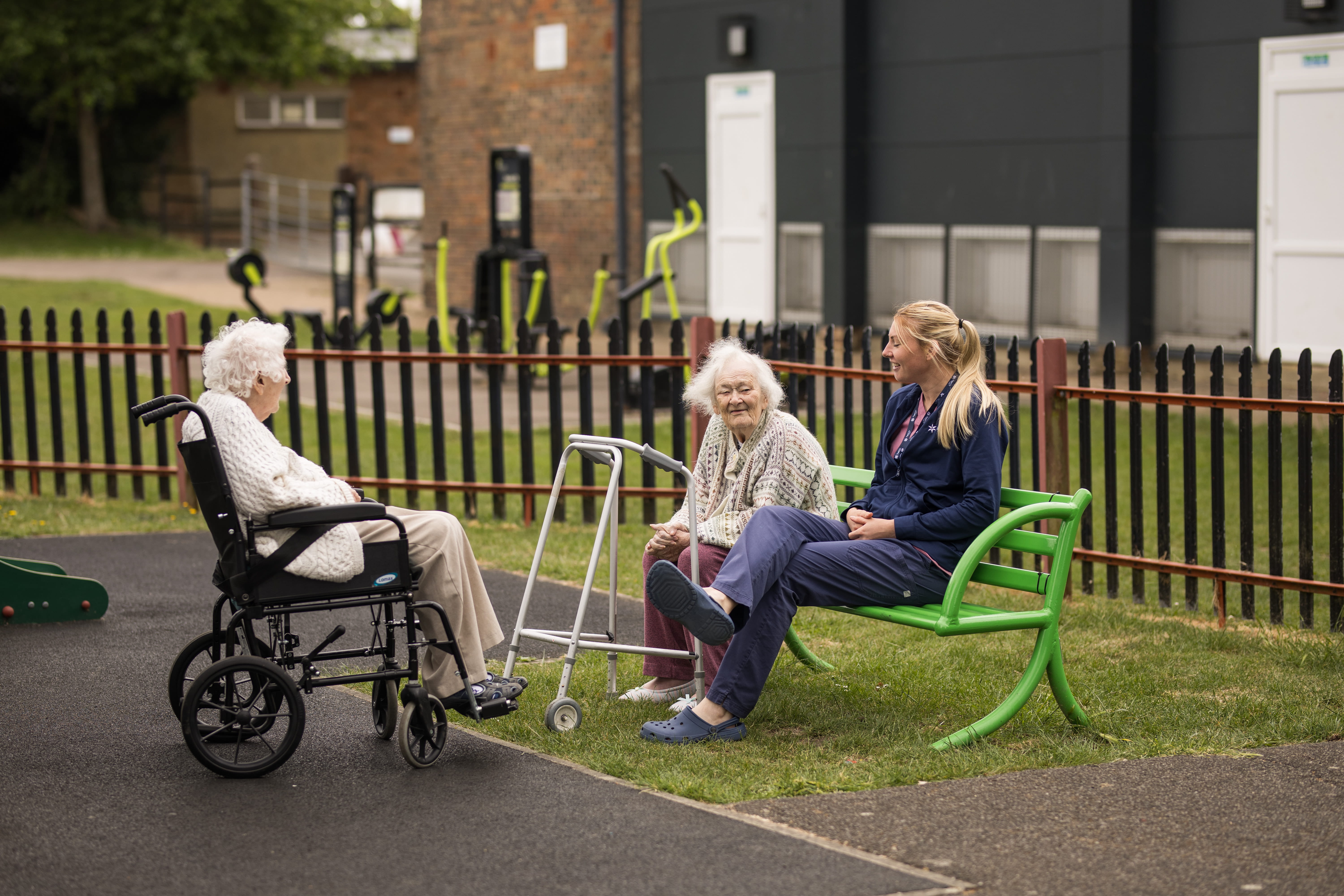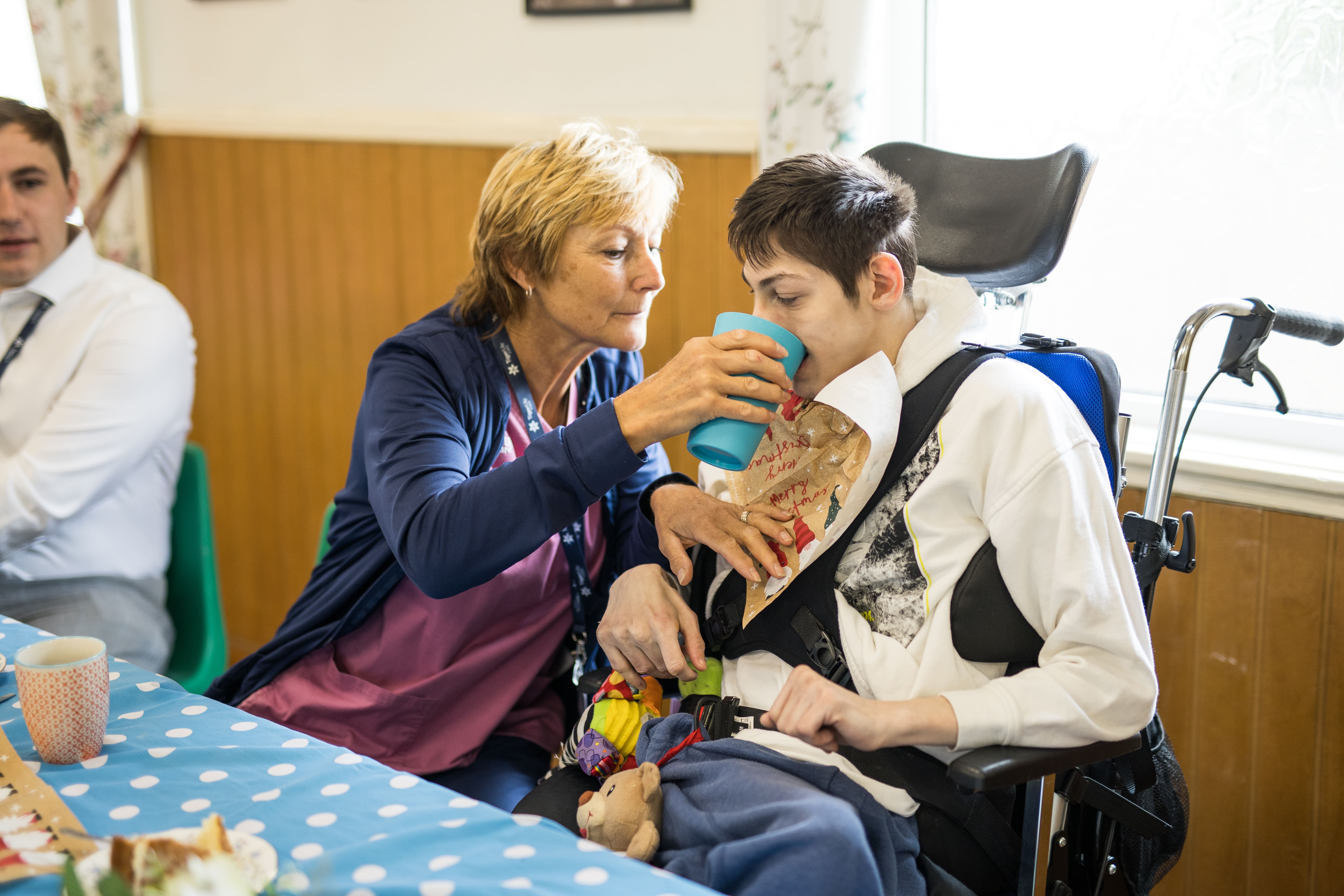
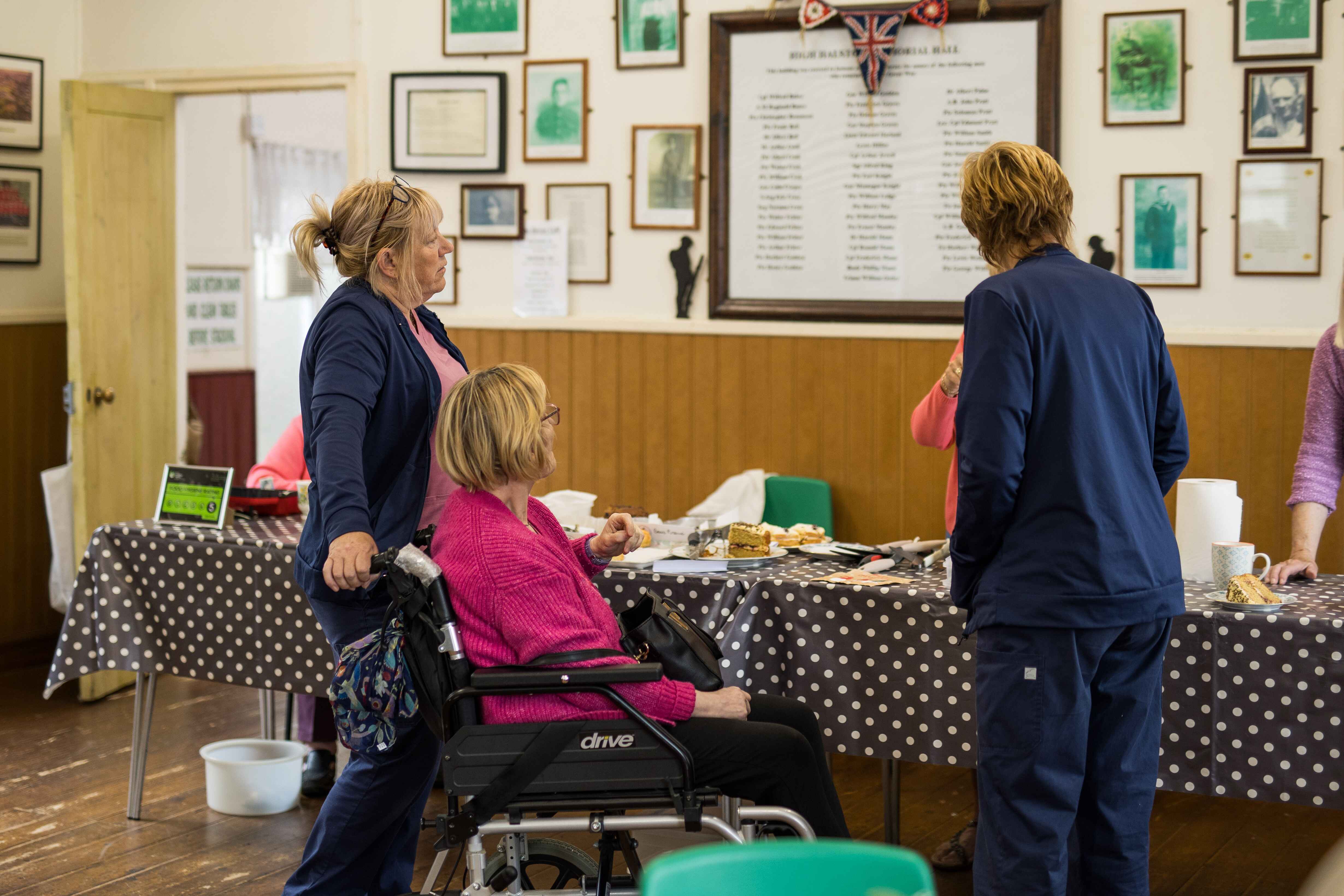
Caring for an ageing parent or relative is one of the most rewarding but challenging experiences a family can face. For many, the goal is to help their loved one remain at home for as long as possible, allowing them to enjoy independence in a familiar environment. Yet over time, changes in health, mobility, or memory may make daily living more difficult.
Noticing the early signs that your loved one may need home care support is vital. By recognising these indicators and acting proactively, families can ensure that older adults receive the necessary help while maintaining their dignity, safety, and quality of life.
This guide highlights the most common physical, emotional, and practical signs that suggest it may be time to consider homecare support. It also explores how professional carers can work alongside families to provide reassurance and compassionate assistance.
Why Recognising the Signs Matters
Waiting too long before seeking help can lead to crises such as falls, missed medications, or avoidable hospital visits. Recognising the signs early provides:
- Peace of mind: Families know their loved one is safe.
- Prevention: Support reduces the risk of accidents or health deterioration.
- Improved well-being: Seniors maintain a higher quality of life with consistent care.
- Family balance: Carers avoid burnout while still staying involved in their loved one’s life.
Difficulty with Daily Activities (ADLs)
One of the most important indicators is difficulty performing “Activities of Daily Living” (ADLs). These are the basic tasks we all need to manage each day.
Key Signs to Look For
- Struggling to bathe or shower safely.
- Difficulty dressing, fastening buttons, or putting on shoes.
- Problems with grooming, such as brushing hair or shaving.
- Requiring assistance with using the toilet or managing continence.
- Trouble preparing meals or forgetting to eat.
When these essential routines become a challenge, it may signal the need for home care. Our dedicated carers can support with ADLs while respecting independence and privacy.
Decline in Personal Hygiene
Changes in appearance or hygiene habits can often be a red flag. Seniors who previously took pride in their grooming may start to neglect these areas.
Examples of Hygiene Concerns
- Wearing the same clothes repeatedly without washing.
- Body odour, unwashed hair, or unbrushed teeth.
- Fingernails or toenails are left untrimmed or dirty.
- Soiled bedding or clothing is being used without change.
Declining hygiene may result from mobility problems,memory loss, or fear of falling in the bathroom. Home care support can restore dignity by assisting with personal care in a respectful and compassionate manner.
Changes in Eating and Nutrition
Nutrition plays a vital role in maintaining health and energy. Sudden changes in eating habits may indicate a need for support.
Warning Signs of Poor Nutrition
- Unexplained weight loss or gain.
- Expired or spoiled food left in the fridge.
- Empty cupboards or repetitive meals lacking variety.
- Difficulty using kitchen appliances safely.
- Forgetting to eat meals or skipping food altogether.
Carers can assist with meal preparation, ensure dietary needs are met, and provide companionship during mealtimes, making eating a positive daily experience.
Mobility Challenges and Frequent Falls
Mobility difficulties are among the most serious warning signs, as falls can lead to hospitalisation and long-term complications.
Common Mobility Red Flags
- Trouble getting up from chairs or out of bed.
- Holding onto furniture or walls for balance.
- Avoiding stairs or certain rooms due to difficulty moving.
- Bruises or injuries that may suggest recent falls.
Home care support can reduce risks by assisting with safe movement, encouraging gentle exercise, and ensuring living spaces remain hazard-free.
Forgetfulness and Cognitive Changes
Memory lapses are a normal part of ageing, but more frequent or severe issues can suggest a need for support.
Memory-Related Warning Signs
- Forgetting to take medication or taking it multiple times.
- Missing appointments or important events.
- Leaving the stove on or the doors unlocked.
- Difficulty remembering names or familiar places.
- Confusion that appears to be worsening over time.
While not always a sign of dementia, these changes often highlight that extra supervision is necessary. Compassionate carers can provide reminders, reassurance, and structured routines.
Social Withdrawal and Loneliness
Emotional health is just as important as physical health. Seniors who withdraw from friends and family may be struggling more than they admit.
Signs of Social Isolation
- Rarely leaving the house or engaging in hobbies.
- Reluctance to answer phone calls or accept visitors.
- Loss of interest in activities they once enjoyed.
- Expressions of loneliness or sadness.
Regular visits from carers provide companionship and help maintain a sense of connection. Many families find that even a few hours of social support each week can make a significant difference.
Declining Household Management
Maintaining a household requires energy and organisation. If you notice changes in your loved one’s home environment, it may indicate they are finding it hard to cope.
Household Warning Signs
- Unpaid bills or unopened post piling up.
- Laundry left undone or clothes scattered.
- Dirty dishes are accumulating in the sink.
- Dust, clutter, or poor general cleanliness.
- Broken appliances or neglected maintenance tasks.
Home care support can assist with light housekeeping, errands, and ensuring the home remains safe and comfortable.
Increased Carer Stress for Family Members
Sometimes, the signs don’t come from the older adult but from the family caring for them. When relatives experience burnout, it maybe time to bring in extra help.
Signs of Carer Burnout
- Feeling constantly tired or overwhelmed.
- Struggling to balance work, family, and caring responsibilities.
- Becoming impatient or frustrated with your loved one.
- Neglecting your own health or well-being.
Professional home care services can share the responsibility, providing balance so families can focus on quality time rather than constant care giving.
Changes in Medical Needs
A new diagnosis or worsening health condition can quickly increase the need for support.
Examples of Medical Red Flags
- Multiple hospital admissions within a short period.
- New medications with complex instructions are causing confusion with medication regimens.
- Chronic conditions require increased regular monitoring.
- Wounds or pressure sores needing professional care.
In these situations, our expert carers can assist with medication reminders, monitoring, and coordination with healthcare providers to ensure optimal care.
Emotional and Behavioural Changes
Changes in mood or behaviour often signal underlying issues. Emotional well-being is just as vital to monitor as physical health.
Behavioural Warning Signs
- Increased irritability, aggression, or frustration.
- Mood swings or signs of depression.
- Expressions of hopelessness or apathy.
- Anxiety about being alone or managing tasks.
Having a compassionate carer visit regularly can ease emotional distress, provide company, and offer gentle reassurance.
Resistance to Help or Denial of Struggles
Sometimes, seniors may resist admitting they need help. Pride or fear of losing independence often plays a role.
Clues That Resistance May Hide Struggles
- Insisting “I’m fine” despite visible challenges.
- Becoming defensive when asked about health or daily activities.
- Avoiding conversations about care or support.
- Refusing to allow visitors into the home.
Home care support can be introduced gradually, starting with light assistance such as companionship, shopping, or meal preparation. This approach helps build trust and avoids overwhelming your loved one.
How Home Care Services Can Help
Bringing in support doesn’t mean taking away independence. In fact, home care often extends it. Our compassionate care team offers personalised services tailored to meet each individual’s unique needs.
Benefits of Home Care Support
- Assistance with daily activities, such as bathing,dressing, and eating.
- Medication reminders and health monitoring.
- Help with household tasks to keep homes safe and clean.
- Companionship to combat loneliness.
- Flexible care plans, from a few hours a week to full-time live-in support.
By choosing home care, families ensure their loved ones receive the right balance of support and independence.
Conversation Starters: How to Raise the Subject of Home Care
Discussing care needs can be delicate. Approaching the subject with sensitivity makes the process smoother.
Tips for Starting the Conversation
- Select a calm and quiet time, free from distractions.
- Express concerns through observations rather than criticism.
- Emphasise the benefits of support, including safety and companionship.
- Involve your loved one in decisions to maintain control and dignity.
- Suggest a trial period of care to ease the transition.
Framing the discussion around well-being rather than limitations often helps seniors feel more positive about receiving help.
To Summarise…
Recognising the signs that your loved one might need home care is not always easy. However, by paying attention to daily habits, emotional changes, and household management, families can identify when extra support is needed before a crisis occurs.
Key takeaways include:
- Difficulty with personal care, nutrition, or mobility may signal the need for assistance.
- Social withdrawal, household decline, or carer burnout are also important indicators.
- Emotional and cognitive changes should not be ignored.
- Home care services provide compassionate support that promotes safety, dignity, and independence.
Our dedicated home care service works closely with families to create personalised solutions, ensuring older adults can remain safely and comfortably at home while receiving the support they deserve.